US court blocks CPT internship curbs and 4-year visa cap in win for Indian students
By TUF News Desk · Published 20 November 2026 · 4 min read
Fact-checked against 2+ independent sources · Editorial policy
Two rulings in two days have lifted two big worries for Indian students in the United States. On 17 November 2026, a federal judge in Massachusetts blocked the Trump administration’s August guidance that had cut off most internship authorisations for foreign students. A day earlier, another judge there struck down a rule that would have capped how long international students could stay.
The first ruling concerns Curricular Practical Training, known as CPT. It lets students on F-1 visas take internships tied to their course, with university approval. For more than 35 years, elective internships for academic credit qualified when they related directly to the student’s field and formed part of the curriculum. Two messages from the Student and Exchange Visitor Program, sent on 12 and 24 August, changed that: training would count only if it was required for every student on that degree programme.
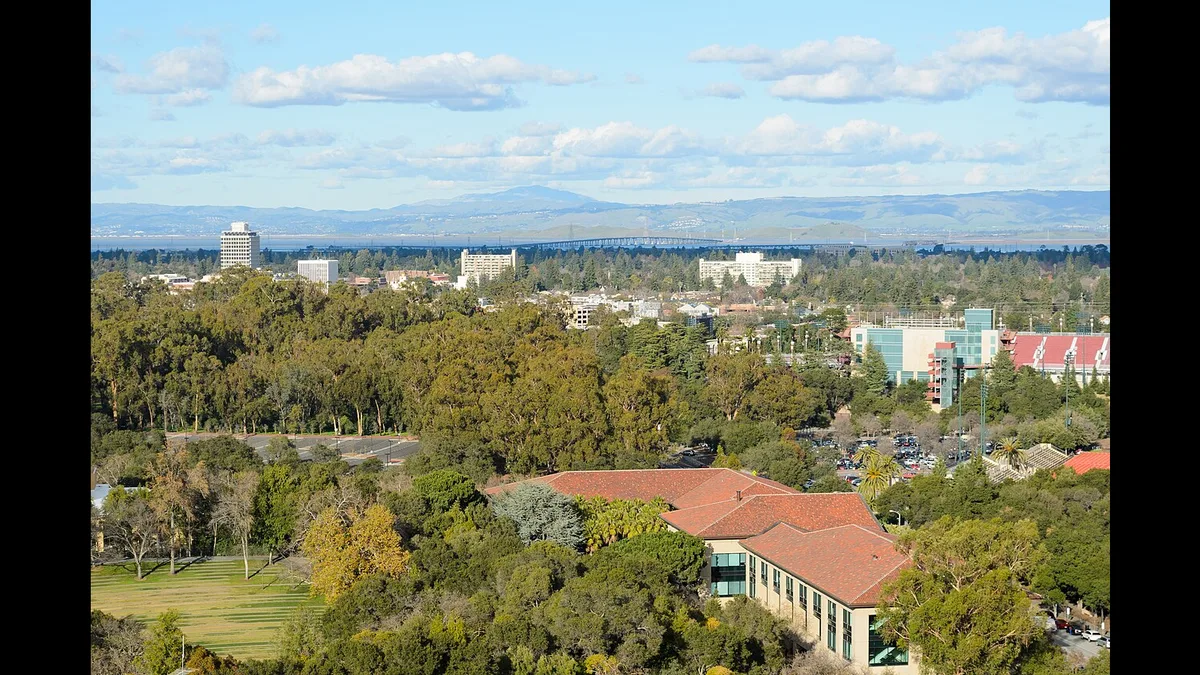
Universities reacted fast. Stanford paused CPT applications not required for a degree on 1 September, and Stanford’s computer science department suspended CPT for bachelor’s and master’s students. UC Berkeley, UCLA and the University of Pennsylvania also paused or narrowed approvals, and Harvard stopped offering CPT at five of its schools.
Four higher education groups sued on 5 October: the Association of American Universities, NAFSA, the Presidents’ Alliance on Higher Education and Immigration, and the Association of Independent Colleges and Universities in Massachusetts. Judge Julia E. Kobick ruled on 17 November that they were likely to win. She called the guidance “a fundamental departure from the government’s decades-long interpretation”, saying the government had not explained the change or weighed its effect on those who had relied on the old rules. Her order puts the guidance on hold while the case continues.
What the second ruling changes
Judge F. Dennis Saylor IV vacated the duration of status rule on 16 November. Under duration of status, in place since 1979, international students can stay in the US while enrolled and in status. The rule published on 17 July would have replaced that with fixed periods of no more than four years. Students in longer programmes, like most PhDs, would have had to apply for extensions. Saylor found the department had exceeded its authority. He had already blocked the rule on 14 September, a day before it was due to take effect.
Stanford told students on Tuesday that the framework remains in place across the country and no action is required. International students make up 35 percent of Stanford’s graduate students and 13 percent of its undergraduates.
What Indian students should do now
US immigration data cited by Reuters shows 140,775 student visa holders were authorised for CPT in 2024. For Indian students in STEM and business courses, internships are often the first step toward a US job.
Neither ruling settles the matter. The CPT order is temporary, and the government can appeal both decisions. The court order also does not authorise anyone to work on its own. CPT approval still rests with each university. UC Berkeley has said it will resume processing applications for elective internships taken for credit. Harvard has not updated its guidance. Students planning spring 2027 internships should check with their international office and get CPT authorisation and an updated Form I-20 first. Keep the papers on our admission documents checklist ready.
Frequently asked questions
What is CPT for international students in the US?
Curricular Practical Training lets students on F-1 visas take up internships tied to their course, with their university’s approval.
Does the court ruling mean every Indian student can now do an internship in the US?
No. The order is temporary, and each university still decides CPT applications under the old rules. Students need CPT authorisation and an updated Form I-20 before starting work.
What was the duration of status rule the second judge struck down?
It would have replaced duration of status with fixed admission periods of no more than four years. Judge Saylor vacated it in full on 16 November 2026.
Which universities paused CPT after the August guidance?
Stanford, UC Berkeley, UCLA and the University of Pennsylvania paused or narrowed approvals, and Harvard stopped offering CPT at five of its schools.
Frequently asked questions
What is CPT for international students in the US?
Curricular Practical Training lets students on F-1 visas take up internships and other practical training tied to their course, with their university's approval.
Does the court ruling mean every Indian student can now do an internship in the US?
No. The order is temporary, and each university still decides CPT applications. Students still need CPT authorisation and an updated Form I-20.
What was the duration of status rule the second judge struck down?
It would have replaced the longstanding duration of status framework with fixed admission periods of no more than four years. Judge Saylor vacated it in full on 16 November 2026.
Which universities paused CPT after the August guidance?
Stanford, UC Berkeley, UCLA and the University of Pennsylvania paused or narrowed approvals, and Harvard stopped offering CPT at five of its schools.
Sources: Stanford Daily, Times of India, Higher Ed Dive