ULLAS rules: teacher trainees must help 5 to 8 adults become literate
By TUF News Desk · Published 1 November 2026 · 4 min read
Fact-checked against 2+ independent sources · Editorial policy
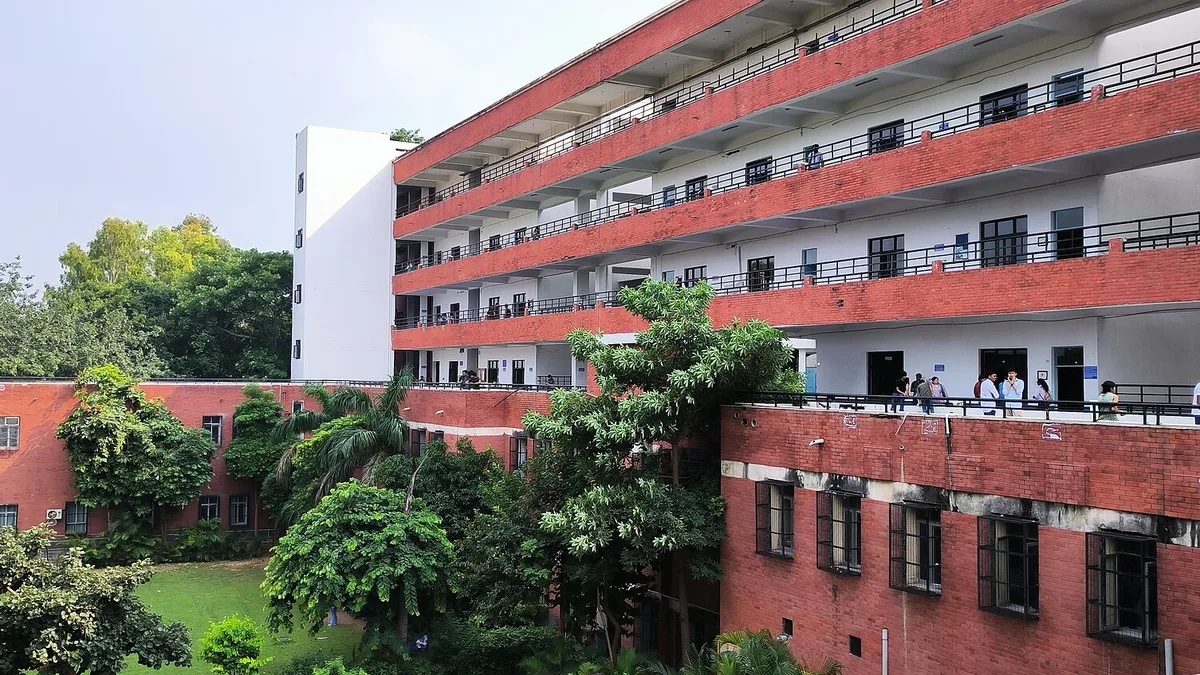
A student teacher on a two-year B.Ed course will now have to help at least five adults learn to read and write before finishing the course. Under new guidelines for teacher education institutions, the trainee’s own grade depends on whether those learners pass a mandatory test and are certified literate.
The guidelines were launched by Union Minister of State for Education Jayant Chaudhary on October 28. They come in a 32-page document from the Ministry of School Education and Literacy, titled Guidelines for Teacher Education Institutions under ULLAS, short for Understanding of Lifelong Learning for All in Society, also known as the Nav Bharat Saaksharta Karyakram.
The rule covers every student teacher in a programme recognised by the National Council for Teacher Education. That includes the Integrated Teacher Education Programme, D.El.Ed, B.P.Ed, B.Ed, M.Ed and M.P.Ed. India has 15,509 recognised teacher education institutions offering 17,84,326 seats, and the guidelines apply across that whole system.
The number depends on the length of the course
The target is set course by course. Trainees on two-year courses must teach at least five learners. Those on three-year courses must teach at least six. Trainees on four-year courses must ensure eight learners become literate before they complete the programme.
Taking classes is only part of the job. The trainee must also make sure each learner appears for the Foundational Literacy and Numeracy Assessment Test, or FLNAT, and is certified literate under ULLAS. Trainees must also prepare a profile of each learner, tracking their details and learning journey, and write a short reflective report on the teaching experience and the learners’ progress.
Teacher education institutions are expected to find learners by working with schools, local bodies, non-governmental organisations and community groups. The guidelines also divide the work among the bodies that run teacher education and literacy in India, including the NCTE, the National Council of Educational Research and Training, State Councils of Educational Research and Training, District Institutes of Education and Training, State Literacy Mission Authorities and district administrations.
What ULLAS already covers
ULLAS began in the financial year 2022-23 as the New India Literacy Programme. It is aimed at young people and adults aged 15 and above who never got formal schooling and lack basic reading, writing and arithmetic. The teaching goes beyond the alphabet. It covers financial, digital and legal literacy, health awareness and other life skills, with study material available through the ULLAS mobile app and the Education for All section of the DIKSHA platform.
The scheme has a budget of Rs 1,037.90 crore for 2022-23 to 2026-27 and aims to reach five crore learners. Until now, adult literacy work has run largely on volunteers. The new guidelines turn that volunteer effort into a formal part of teacher training, with the trainee’s result tied to the learner’s result.
One gap remains in the announcement. It does not say when institutions must start implementing the new framework, so colleges are waiting for directions on the timeline. Trainees already enrolled should watch for notices from their own institution, since the institution will decide how the teaching work fits into their course.
Applicants still choosing a teacher training college can compare courses, fees and faculty before applying. Our how to choose a university in India guide lists the practical checks worth making. Volunteers and learners can also register through the official ULLAS portal.
Frequently asked questions
Who has to teach learners under the new ULLAS guidelines?
Student teachers enrolled in NCTE-recognised teacher education programmes, including B.Ed, M.Ed, B.P.Ed, M.P.Ed, D.El.Ed and the Integrated Teacher Education Programme.
How many learners must each student teacher help?
At least five learners on two-year courses, six on three-year courses and eight on four-year courses, with each learner appearing for the Foundational Literacy and Numeracy Assessment Test.
How is the trainee’s work assessed?
Trainees receive their grades only after the learners they teach pass the mandatory test and are certified literate. Academic credits are linked to that certification.
When do the new ULLAS guidelines come into force?
The announcement does not set a start date for institutions, so teacher education institutions are waiting for directions on when implementation begins.
Frequently asked questions
Who has to teach learners under the new ULLAS guidelines?
Student teachers enrolled in NCTE-recognised teacher education programmes, including B.Ed, M.Ed, B.P.Ed, M.P.Ed, D.El.Ed and the Integrated Teacher Education Programme.
How many learners must each student teacher help?
At least five learners on two-year courses, six on three-year courses and eight on four-year courses, with each learner appearing for the Foundational Literacy and Numeracy Assessment Test.
How is the trainee's work assessed?
Trainees receive their grades only after the learners they teach pass the mandatory test and are certified literate. Academic credits are linked to that certification.
When do the new ULLAS guidelines come into force?
The announcement does not set a start date for institutions, so teacher education institutions are waiting for directions on when implementation begins.
Sources: The New Indian Express, Edex Live, Jagran Josh