India's 3 education regulators could become 1: what the bill changes for students
By TUF News Desk · Published 15 October 2026 · 4 min read
Fact-checked against 2+ independent sources · Editorial policy
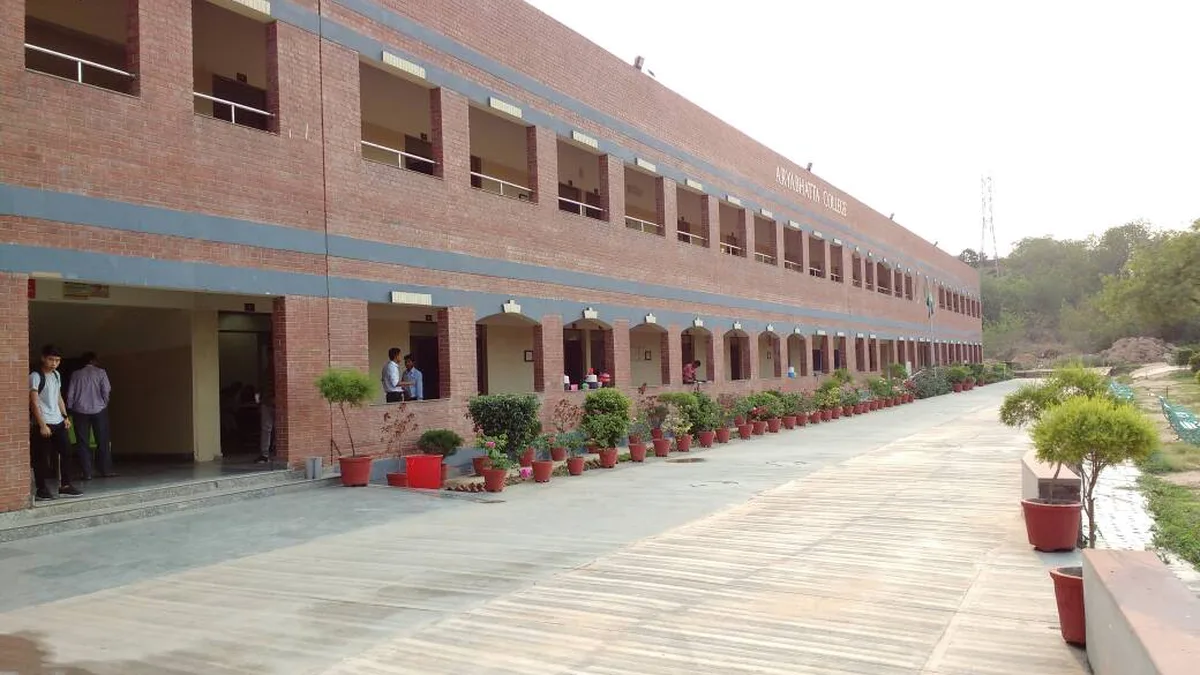
Three regulators, one bill. Indian colleges answer to the University Grants Commission for general courses, the All India Council for Technical Education for engineering and other technical programmes, and the National Council for Teacher Education for teacher training. A bill now before Parliament would merge all three into a single national authority.
The Union Cabinet approved the Viksit Bharat Shiksha Adhikshan Bill in December 2025. BusinessToday reported that the law would create one higher education regulator covering every non-medical and non-law institution in the country. The Hindu reported the same Cabinet clearance, noting that the proposed law had earlier been called the Higher Education Commission of India (HECI) Bill before the Cabinet renamed it.
What would change
Under the proposal, UGC, AICTE and NCTE would stop existing as separate regulators. One apex body would handle three jobs: regulation, accreditation and setting professional standards. The new body would be split into three councils: a Standards Council for minimum standards, a Regulatory Council for regulation, coordination and global engagement, and an Accreditation Council for accreditation. ForumIAS set out this structure in its October 2026 explainer of the bill.
Two things would stay as they are. Medical and law colleges would keep their current regulators, and funding would not move to the new body. It would remain with the Department of Higher Education in the education ministry. BusinessToday and The Hindu both reported these carve-outs after the Cabinet approval.
Why the government wants this
The idea has been around for years. A draft HECI Bill was floated in 2018, and the National Education Policy 2020 called for lighter oversight, what it terms “light but tight” regulation, in place of inspection-heavy control. BusinessToday reported that Education Minister Dharmendra Pradhan, who took charge in 2021, pushed the consolidation forward. The government says the new structure will simplify governance and cut the compliance burden on institutions, a point ForumIAS noted in its explainer.
The backdrop is size: official AISHE data compiled by ForumIAS shows universities grew from 760 in 2014-15 to 1,289 in 2023-24, and colleges from 38,498 to 48,246. That scale is the government’s main argument for a single rulebook.
The name keeps changing, and that is confusing students
The 2018 draft and years of debate used HECI, the Higher Education Commission of India. The Cabinet-approved version is the Viksit Bharat Shiksha Adhikshan Bill, and ForumIAS shortens the proposed body to VBSA. Both names describe the same law, so HECI in an older article and VBSA in a new one mean the same thing.
Where the bill stands now
It was introduced in the Lok Sabha on December 15, 2025, and referred to a 31-member Joint Parliamentary Committee. ForumIAS reported in October 2026 that the committee was said to be close to backing the bill with safeguards in July, but the meeting to adopt its draft report was cancelled, so the outcome is still pending.
States and some universities have argued the bill concentrates too much power at the centre and curbs state control over universities, which educate most Indian students. Those objections are part of what the committee is weighing.
For students, nothing changes yet. The 2027-28 admissions cycle will run under the current regulators’ rules. The guide to central, state and private universities explains which regulator oversees which institution type today, and the guide to choosing a university in India lists what to check beyond accreditation. Official announcements will appear on the Ministry of Education website.
Frequently asked questions
Will the UGC disappear?
Not yet. The bill proposes to fold all three into one authority, but it is still with a parliamentary committee and has not become law. Until Parliament passes it, the three regulators keep working as usual.
Does the bill affect medical and law colleges?
No. They would stay outside the new regulator and keep their existing regulators.
When would the new regulator start working?
There is no date. The bill still needs the committee’s report and a Parliament vote.
I am applying for admission in 2027. Should I wait for the new system?
No. The 2027-28 cycle will run under the current regulators’ rules; watch the Ministry of Education website for announcements.
Frequently asked questions
Will the UGC disappear?
Not yet. The bill proposes to fold all three into one authority, but it is still with a parliamentary committee and has not become law. Until Parliament passes it, the three regulators keep working as usual.
Does the bill affect medical and law colleges?
No. They would stay outside the new regulator and keep their existing regulators.
When would the new regulator start working?
There is no date. The bill still needs the committee's report and a Parliament vote.
I am applying for admission in 2027. Should I wait for the new system?
No. The 2027-28 cycle will run under the current regulators' rules; watch the Ministry of Education website for announcements.
Sources: BusinessToday, ForumIAS, The Hindu