Supreme Court to UGC: warn students against fake colleges after Etah 'medical college' case
By TUF News Desk · Published 12 October 2026 · 4 min read
Fact-checked against 2+ independent sources · Editorial policy
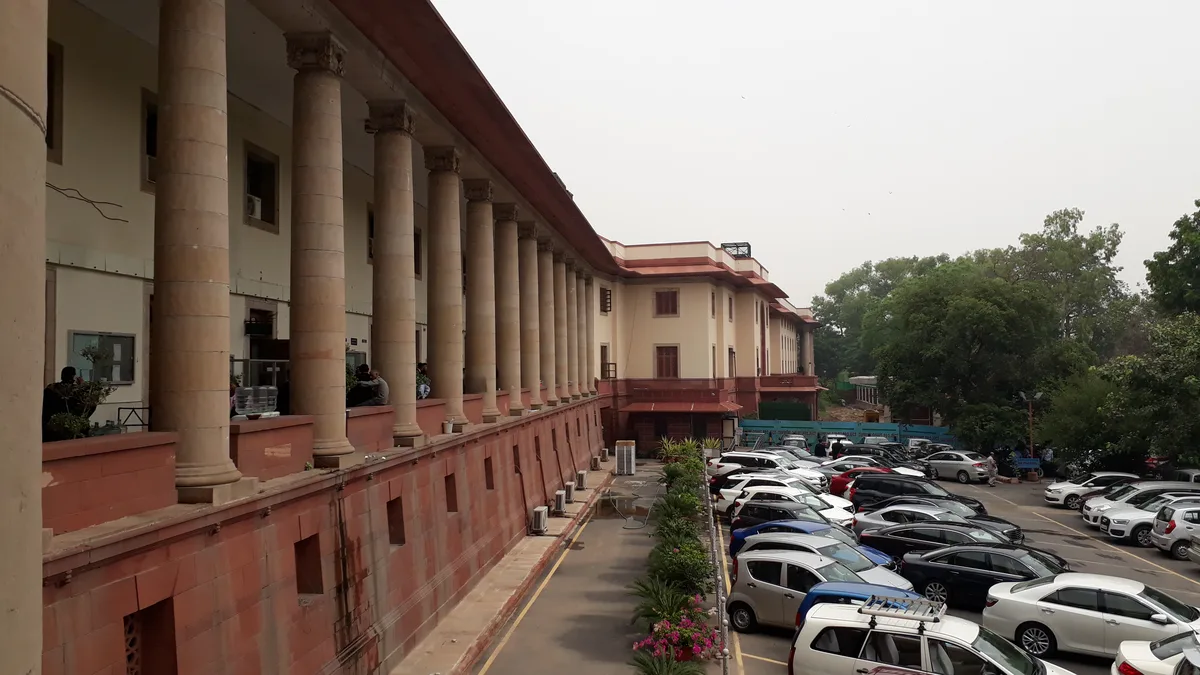
A purported medical college in UP’s Etah district operated from two or three rooms in a dilapidated structure in the middle of a field. Court records show the man listed as its chairman was an illiterate tea seller who admitted signing whatever college documents he was handed. On October 9, the Supreme Court took note and ordered the UGC to warn students across the country: verify the institution before you pay the fee.
What the court ordered
Justices Ahsanuddin Amanullah and N. V. Anjaria directed the UGC and all regulatory authorities to issue public advisories asking students and parents to check an institution’s recognition and authenticity before seeking admission.
The court also asked the central government to monitor whether regulators were actually issuing these warnings, and directed the UGC to frame concrete guidelines so that such cases do not repeat.
How an individual dispute became a national order
The order came in a case filed by Ayesha Jain against Amity University, Noida, over how the university handled a name-change request. As the hearings progressed, the court widened the case to examine how private universities are regulated across the country.
During the proceedings, the court was shown an Indian Express report about the purported fake medical college in Mahmoodpur Nagaria village in Etah. The material before the court said the institution offered courses including D.Pharma, B.Pharma, B.Sc Nursing, DMLT, BMLT, BAMS, GNM and ANM, and that one Bhagwan Das Singh Baghel, described as an illiterate tea seller, was shown as its chairman. According to the court’s order, Baghel admitted signing college documents provided by Satender Kumar, who was allegedly running the institution.
K. M. Nataraj, the Additional Solicitor General for Uttar Pradesh, told the court that police had acted against Kumar and three others, and that the state had ordered an independent inquiry. Nataraj suggested that the UGC warn the public against dealing with institutions without first verifying their authenticity. The court accepted the suggestion, appreciated the state’s quick response, and issued the direction.
Check the college before you pay the fee
The simplest check is the UGC’s own list of fake universities on its official website. Absence from that list is not proof of recognition, so students should also confirm the university’s legal status and degree-awarding authority.
For professional courses, university recognition is not enough by itself. Students should confirm that the specific course has approval from the relevant regulator, such as the National Medical Commission for medicine, the Pharmacy Council of India for pharmacy programmes, or the Indian Nursing Council for nursing courses. Our guide to choosing a university in India walks through these checks, from accreditation to fee receipts.
Before paying admission fees, visit the campus. Check that the address on record is where the college actually functions, that classes are running, and that staff are in place. A glossy brochure, or words like “national” and “international” in the name, are not proof that an institution can award a valid degree.
Frequently asked questions
What did the Supreme Court order about fake colleges?
The court directed the UGC and all regulatory authorities to issue public advisories asking people to verify educational institutions before taking admission. It also asked the central government to monitor compliance and told the UGC to frame concrete guidelines to prevent such fraud.
How can I check whether a college is genuinely recognised?
Start with the UGC’s fake universities list on ugc.gov.in, then confirm the institution’s legal status and degree-awarding authority. For professional courses like medicine, pharmacy or nursing, confirm course-specific approval from the relevant regulator, and visit the campus before paying fees.
What was the Etah case that triggered the order?
A purported medical college in Etah’s Mahmoodpur Nagaria village was found operating from a dilapidated farmhouse in a field, offering pharmacy, nursing and BAMS courses. An illiterate tea seller was listed as chairman, and police took action against the man allegedly running it.
Is the UGC’s fake universities list enough on its own?
No. Absence from the list does not automatically mean an institution is authorised to run every course it advertises. Students must also verify the institution’s legal status and the specific programme’s approvals from the relevant regulators.
Frequently asked questions
What did the Supreme Court order about fake colleges?
The court directed the UGC and all regulatory authorities to issue public advisories asking people to verify educational institutions before taking admission. It also asked the central government to monitor compliance and told the UGC to frame concrete guidelines to prevent such fraud.
How can I check whether a college is genuinely recognised?
Start with the UGC's fake universities list on ugc.gov.in, then confirm the institution's legal status and degree-awarding authority. For professional courses like medicine, pharmacy or nursing, confirm course-specific approval from the relevant regulator, and visit the campus before paying fees.
What was the Etah case that triggered the order?
A purported medical college in Etah's Mahmoodpur Nagaria village was found operating from a dilapidated farmhouse in a field, offering pharmacy, nursing and BAMS courses. An illiterate tea seller was listed as chairman, and police took action against the man allegedly running it.
Is the UGC's fake universities list enough on its own?
No. Absence from the list does not automatically mean an institution is authorised to run every course it advertises. Students must also verify the institution's legal status and the specific programme's approvals from the relevant regulators.
Sources: Bar & Bench, Live Law, ABP Live