NTA's new plan: 5,000 experts, one question bank, papers set minutes before exams
By TUF News Desk · Published 8 November 2026 · 4 min read
Fact-checked against 2+ independent sources · Editorial policy
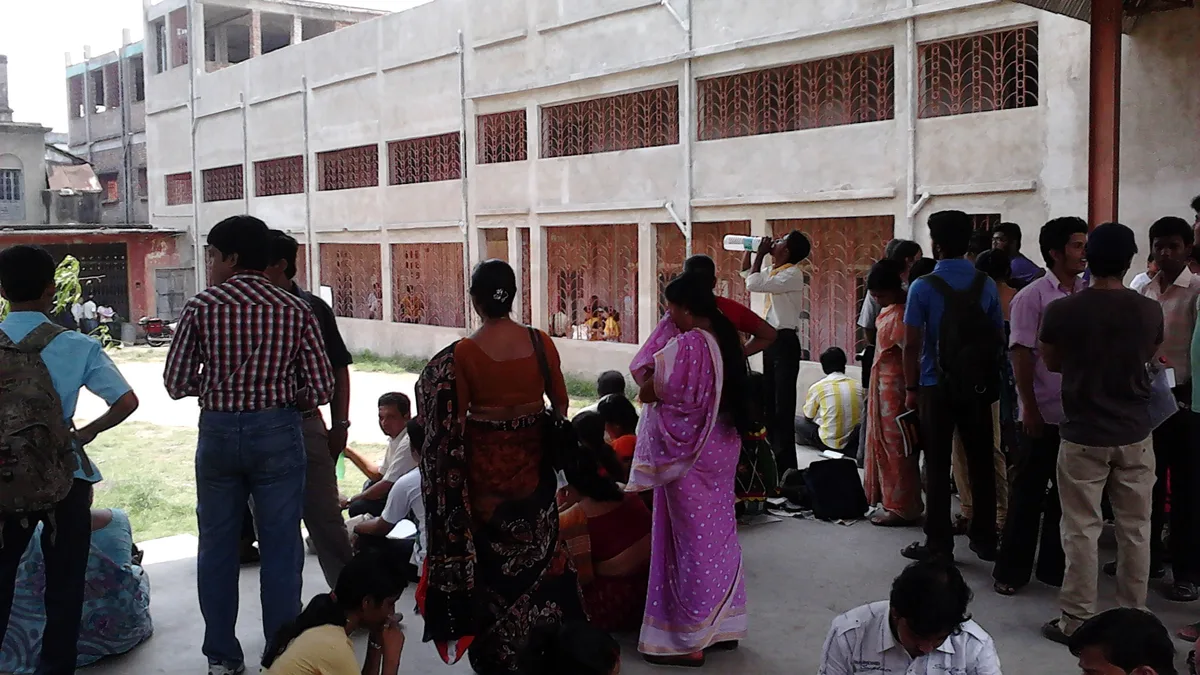
The National Testing Agency has put more than 5,000 academicians, scientists, researchers, educators, translators and moderators on its expert panel, and is building a large question bank so papers can be put together minutes before an exam begins.
The overhaul follows the NEET UG 2026 paper leak controversy, which set off protests and a wider review of national entrance exams. NTA has already removed around 600 subject experts from its earlier panel.
How the question bank will work
Experts will write, check and translate questions without knowing which exam they are meant for, or which ones will be picked. The bank will be large enough that no setter or translator can memorise and reproduce its contents. When an exam approaches, questions are drawn from the pool and the paper is finalised minutes before it begins.
NTA has already started using this method for some entrance exams, senior officials told The Indian Express. The agency has also invited expressions of interest for a three-year panel of subject matter experts and translators, with no closing date; experts are being added through the year.
The panel covers the full life of a question paper: setting and translating questions, checking accuracy, verifying answer keys, mapping questions to the curriculum and psychometric checks.
Who gets on the panel
Getting in takes four layers of checks. NTA first verifies the applicant’s details, qualifications and experience, then a subject committee reviews their academic record, research and experience in setting papers. Background checks follow, to make sure applicants are not linked to any coaching institute and have not prepared question bank material for students.
Empanelled experts sign a non-disclosure agreement on joining and reaffirm it at the start of every assignment. Officials stressed the experts are empanelled, not hired, after multi-layered scrutiny. The agency is also working on an exam-agnostic approach, so the process does not depend on any one vendor or platform.
What changes for JEE, CUET and NEET aspirants
For students, the reforms touch the exams that decide most undergraduate and postgraduate admissions. NTA conducts JEE Main, CUET (UG and PG), UGC NET, CSIR NET and NEET UG, and all except NEET UG are already held in computer-based test mode.
The Centre has said NEET UG will move to computer-based testing from 2027, an announcement made by Union Education Minister Dharmendra Pradhan on May 15, 2026, though the change is still under review. NTA’s parallel calls for exam centres and observers, both open till December 6, 2026, cover computer-based and pen-and-paper exams alike; our reports on the exam centre empanelment and the observer empanelment have the eligibility rules and deadlines.
For now, nothing about the exam day itself changes: the admit card and a valid photo ID remain the two documents candidates must carry, and our admission documents checklist covers what exam portals usually ask for. What changes is behind the scenes: how the paper reaches the hall.
The wider exam reform review
The NTA changes run alongside a review by a six-member task force headed by Infosys co-founder Nandan Nilekani, whose tenure the government has extended until January 2027. The panel has received more than 50,000 suggestions from students, parents and teachers, and has spoken to former ISRO chairman K Radhakrishnan.
Its review includes proposals for a secure digital question vault, random selection of questions and better exam infrastructure. NTA’s exams and notices are published on the official NTA website.
Frequently asked questions
How many experts has NTA empanelled for question paper work?
More than 5,000 academicians, scientists, researchers, educators, translators and moderators have joined NTA’s expert panel.
How will the NTA question bank prevent paper leaks?
Questions will be picked from a large common pool and the paper finalised minutes before the exam, so no setter or translator knows in advance which questions will appear.
Which exams does NTA conduct?
JEE Main, CUET (UG and PG), UGC NET, CSIR NET and NEET UG. All except NEET UG are already held in computer-based test mode.
Will NEET UG move to computer-based testing?
The Centre has said NEET UG will shift to computer-based testing from 2027, though the change is still under review by the Nilekani-led task force.
Frequently asked questions
How many experts has NTA empanelled for question paper work?
More than 5,000 academicians, scientists, researchers, educators, translators and moderators have joined NTA's expert panel.
How will the NTA question bank prevent paper leaks?
Questions will be picked from a large common pool and the paper finalised minutes before the exam, so no setter or translator knows in advance which questions will appear.
Which exams does NTA conduct?
JEE Main, CUET (UG and PG), UGC NET, CSIR NET and NEET UG. All except NEET UG are already held in computer-based test mode.
Will NEET UG move to computer-based testing?
The Centre has said NEET UG will shift to computer-based testing from 2027, though the change is still under review by the Nilekani-led task force.
Sources: The Indian Express, Moneycontrol