171 IIT students died by suicide in 20 years: what the new panel wants changed
By TUF News Desk · Published 28 November 2026 · 4 min read
Fact-checked against 2+ independent sources · Editorial policy
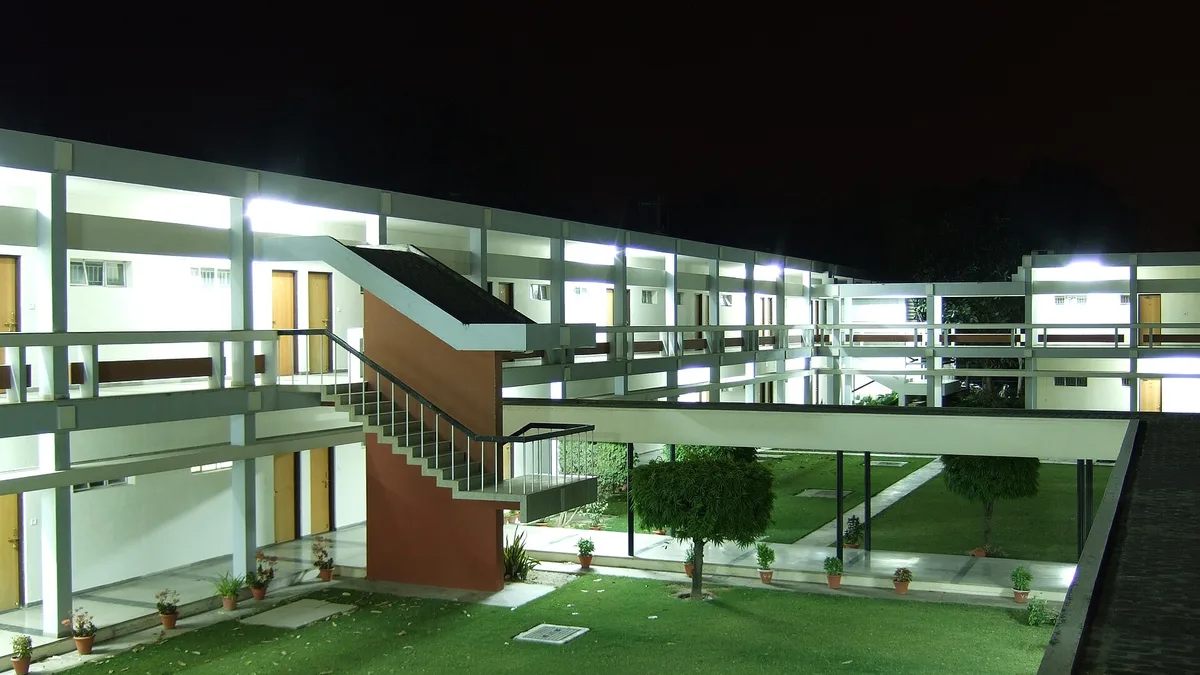
More than 171 students at Indian Institutes of Technology have died by suicide over the past two decades. Forty-seven of those deaths came in the last three years, and 18 in the past 12 months.
The figures come from a compilation of Right to Information replies and media reports put together by Dheeraj Singh, an IIT Kanpur alumnus. They surfaced this week alongside details of a government panel report that the Education Ministry has accepted but has not made public.
Where the deaths were reported
The six institutes named in the compilation account for 37 of the 47 deaths in the last three years:
| Institute | Deaths in three years to 12 November 2026 |
|---|---|
| IIT Kharagpur | 10 |
| IIT Kanpur | 8 |
| IIT Delhi | 6 |
| IIT Roorkee | 5 |
| IIT Bombay | 4 |
| IIT Guwahati | 4 |
The remaining 10 deaths were reported at other IITs. Singh’s compilation also shows reported deaths have risen 135 percent since 2006.
The panel behind the plan
The committee was set up in January 2026, after two students died by suicide at IIT Kanpur. It is chaired by Professor Anil Sahasrabudhe, chairman of the National Educational Technology Forum, and its task was to review how the ministry’s July 2023 framework guidelines on the emotional and mental wellbeing of students are being put into practice.
The ministry accepted the recommendations. Education Secretary Vineet Joshi told higher education institutions in a letter dated 17 June 2026 that the report had been submitted and accepted, and extracts of the recommendations were shared with institutions. The full report has not been made public, and the details now in circulation come from RTI replies obtained by Singh.
What the panel wants campuses to change
The recommendations cover staffing first. Institutes would recruit more counsellors, visiting psychiatrists and trained social workers, and appoint dedicated wellness professionals in hostels. Counsellors would also get supervision and workload management so they are not overloaded.
Help would reach students earlier. The panel proposes routine mental health screening from the first year, confidential early-warning systems that connect hostel observations, faculty inputs and counselling data, and training for faculty to recognise signs of distress. Each faculty mentor would look after a group of 20 to 25 students.
Hostel life gets attention too. Wardens would be easier to reach, with regular interaction between students and wardens, recreational spaces and cultural activities on campus. On the academic side, the panel wants less emphasis on the Cumulative Performance Index, academic credits for co-curricular activities, and life-skills programmes.
For research scholars, the plan calls for departmental committees to keep an eye on supervisor-student relationships and safer ways to raise grievances. To check whether any of this happens, the panel proposes a University and Institution Wellness Indicator and a ministry-level dashboard, with quarterly reviews.
What this means for students now
There is no published timeline for when individual IITs will put these measures in place, and the full report is still not public, so students cannot yet check what their own institute has agreed to do.
For applicants, campus support is worth asking about directly before admission: how many counsellors an institute has, whether screening happens in the first year, and how a student reaches a warden after hours. Our guide to choosing a university in India covers what else to verify beyond rankings, and the UGC official website carries its mental health guidelines for higher education institutions.
Anyone in distress can call KIRAN on 1800-599-0019 or Arogya Sahayavani on 1040. Both helplines run round the clock.
Frequently asked questions
How many IIT students have died by suicide in recent years?
RTI data compiled by IIT Kanpur alumnus Dheeraj Singh puts the figure at 47 suicides and unnatural deaths in the three years to 12 November 2026, including 18 in the last 12 months. Over two decades, the count is more than 171.
What is the Sahasrabudhe panel?
It is a government-appointed committee chaired by Professor Anil Sahasrabudhe, chairman of the National Educational Technology Forum. It was set up in January 2026 after two student suicides at IIT Kanpur to review how the Education Ministry’s 2023 guidelines on student mental wellbeing are being implemented.
What has the panel recommended?
More counsellors, visiting psychiatrists and trained social workers, dedicated hostel wellness professionals, mental health screening from the first year, faculty mentors for small student groups, less weight on CPI, and a ministry dashboard to track whether institutes act on the plan.
Where can a student in distress get help right now?
KIRAN can be reached on 1800-599-0019 and Arogya Sahayavani on 1040. Both helplines run round the clock.
Frequently asked questions
How many IIT students have died by suicide in recent years?
RTI data compiled by IIT Kanpur alumnus Dheeraj Singh puts the figure at 47 suicides and unnatural deaths in the three years to 12 November 2026, including 18 in the last 12 months. Over two decades, the count is more than 171.
What is the Sahasrabudhe panel?
It is a government-appointed committee chaired by Professor Anil Sahasrabudhe, chairman of the National Educational Technology Forum. It was set up in January 2026 after two student suicides at IIT Kanpur to review how the Education Ministry's 2023 guidelines on student mental wellbeing are being implemented.
What has the panel recommended?
More counsellors, visiting psychiatrists and trained social workers, dedicated hostel wellness professionals, mental health screening from the first year, faculty mentors for small student groups, less weight on CPI, and a ministry dashboard to track whether institutes act on the plan.
Where can a student in distress get help right now?
KIRAN can be reached on 1800-599-0019 and Arogya Sahayavani on 1040. Both helplines run round the clock.
Sources: Deccan Herald, India Today, Madhyamam