IIT Madras gets ₹3.8 crore Saint-Gobain backing for two new construction research labs
By TUF News Desk · Published 2 November 2026 · 4 min read
Fact-checked against 2+ independent sources · Editorial policy
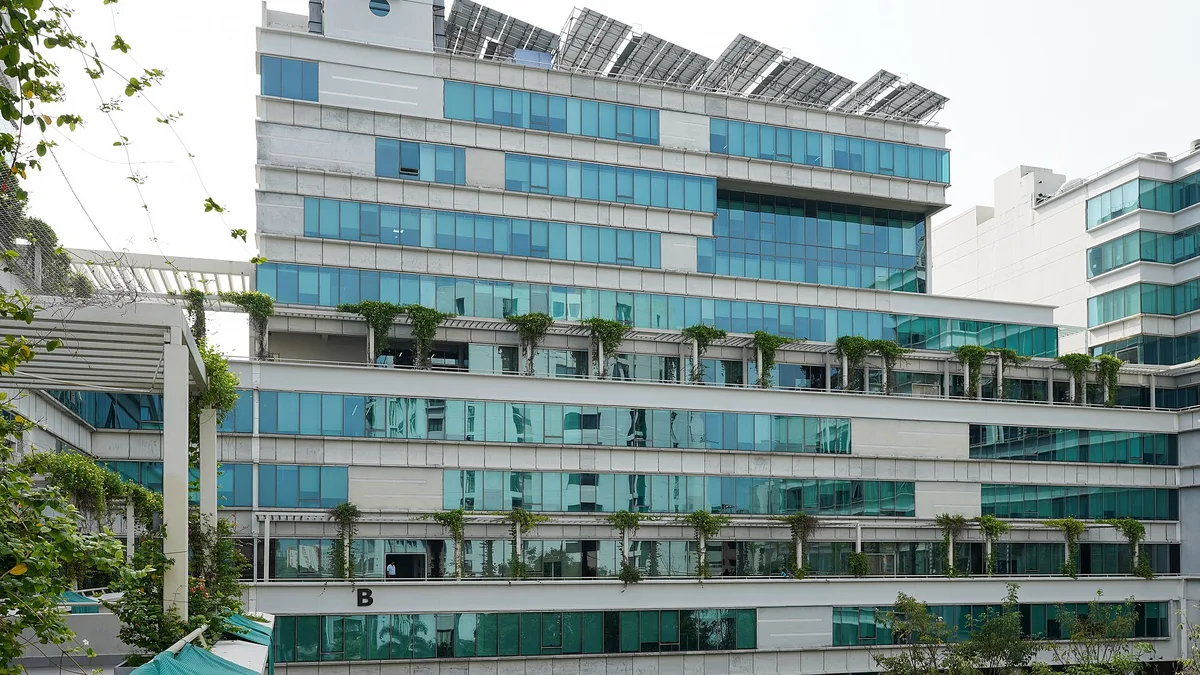
Two new research laboratories are coming up at the Indian Institute of Technology Madras, backed by ₹3.8 crore from Saint-Gobain India over three years. The announcement was made on November 2, 2026, and the labs will focus on construction materials and infrastructure that use less carbon and last longer.
The partnership builds on a relationship between the company and the institute that goes back several years. Saint-Gobain India works in building materials. The new labs give its researchers and IIT Madras faculty a shared place to test ideas that could move from the laboratory into building sites.
Both laboratories will be housed at the institute’s Centre of Excellence on Technologies for Low-carbon and Lean Construction, known as TLC2. That centre already works on cutting waste and emissions from construction, so the two new labs fit into research that is under way there rather than starting from scratch.
What the two labs will work on
The first laboratory is called DRSTI, short for Digital Real-Time Sensing Technologies for Infrastructure. It will work on sensors and digital tools that monitor structures as they are used, so engineers can spot damage or wear early instead of finding it during a scheduled inspection years later. For bridges, large buildings and other public structures, that kind of monitoring can change how maintenance is planned and paid for.
The second laboratory is CAREN, short for Concrete Admixture Research for Engineering Next-gen Construction. Concrete is the most widely used construction material in India, and small changes to its mix can make a large difference to how long a structure lasts and how much cement it needs. CAREN will study admixtures, the chemical additions mixed into concrete to change its strength, setting time and durability.
Between them, the labs cover two sides of the same problem. One side is the material itself and how it is made. The other is what happens to a structure once it is built and in daily use. Demand for new housing and infrastructure in India runs alongside concern about emissions from cement and steel production.
Saint-Gobain India’s chief executive for the Asia Pacific and India region, Sreedhar N., said the work is aimed at construction suited to India’s hot and humid climate, and at turning research into practical solutions for builders. IIT Madras director Prof. V. Kamakoti said the labs will strengthen the institute’s work on next-generation construction materials and intelligent infrastructure technologies, built on sustainability, innovation and indigenous technology.
What it means for students
For students in civil engineering, materials science and related fields, industry-backed laboratories on campus usually mean more than new equipment. They bring live problems from companies and joint projects with faculty. Working with a manufacturer also shapes research questions around cost and site conditions, not just classroom theory.
Prospective students often compare institutes on placements and fees alone. Research facilities matter too, especially for those planning postgraduate study or a research career, and our guide to how to choose a university in India explains how to weigh factors like faculty, laboratories and industry links before applying. More detail on the institute itself is on the IIT Madras profile page.
The stated aim is practical: solutions that help construction move towards smarter infrastructure and lower-carbon materials. What the labs publish and build over the three years of the grant will show whether they deliver on it.
Students and researchers can follow further announcements from the institute through the official IIT Madras website.
Frequently asked questions
What are the two new labs at IIT Madras?
DRSTI will work on digital real-time sensing for infrastructure, and CAREN will work on concrete admixtures for next-generation construction. Both will sit at the institute’s Centre of Excellence on Technologies for Low-carbon and Lean Construction.
How much funding has Saint-Gobain India given for the labs?
₹3.8 crore over three years, announced on November 2, 2026.
What kind of construction problems will the labs work on?
Material waste, buildings that do not last as long as they should, and the carbon footprint of construction materials, with solutions tested for Indian conditions.
Frequently asked questions
What are the two new labs at IIT Madras?
DRSTI will work on digital real-time sensing for infrastructure, and CAREN will work on concrete admixtures for next-generation construction. Both will sit at the institute's Centre of Excellence on Technologies for Low-carbon and Lean Construction.
How much funding has Saint-Gobain India given for the labs?
₹3.8 crore over three years, announced on November 2, 2026.
What kind of construction problems will the labs work on?
Material waste, buildings that do not last as long as they should, and the carbon footprint of construction materials, with solutions tested for Indian conditions.
Sources: The Hindu BusinessLine, The Industrial Economist, Architecture Update