IIT Kanpur patents bamboo barriers to cut ground vibrations from traffic and construction
By TUF News Desk · Published 2 November 2026 · 3 min read
Fact-checked against 2+ independent sources · Editorial policy
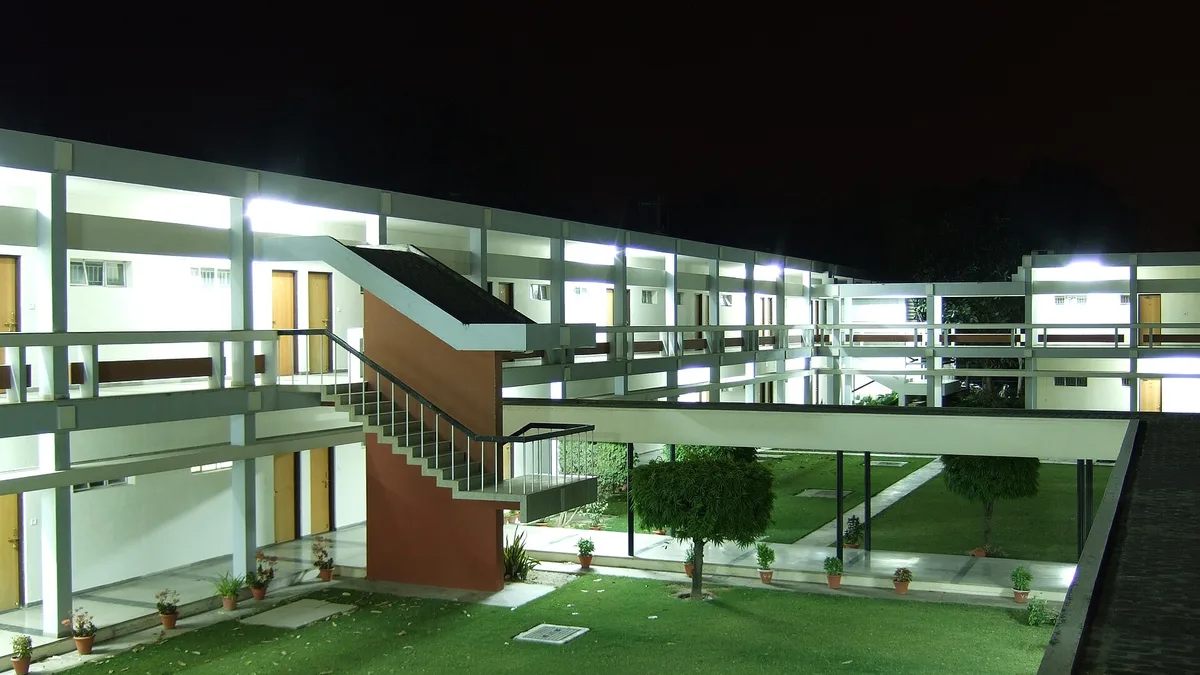
Researchers at the Indian Institute of Technology Kanpur have won an Indian patent for a vibration barrier made with bamboo. The system sits in trenches dug underground and is meant to stop tremors from traffic, trains and construction equipment travelling through soil to nearby buildings.
The technology is titled “A passive vibration screening arrangement with bamboo in-filled wave barriers”. It was developed by Dr Priyanka Ghosh and Sreyashrao Surapreddi of the institute’s Department of Civil Engineering, and the patent grant was reported on November 2, 2026.
Why ground vibrations matter
Road traffic, trains, construction equipment and other heavy machinery all send vibrations into the ground. Those vibrations travel through soil and can reach buildings, sensitive equipment and homes nearby. Over time, that shaking can disturb people living close to a busy road or a construction site, and it can interfere with instruments that need a steady base.
The IIT Kanpur system tries to break that path. The bamboo-filled barriers are installed in underground trenches between the vibration source and the structures that need protection, so the tremors are screened out before they arrive.
What bamboo brings to the design
Bamboo was picked for practical reasons. It is strong for its weight, widely available in India, and cheaper than many conventional materials used for vibration control. The technology description presents the barriers as an eco-friendly and cost-effective alternative to standard methods.
The design is also meant to be easy to handle on site. The barriers can be installed, dismantled and reinstalled, which matters when a construction plot changes shape over a project or when a barrier has to move. The design claims three construction benefits: it reduces soil sloughing, it eliminates sand pockets in the trench, and it limits trench collapse during installation.
Where it could be used
The institute lists construction plots, residential areas, industrial facilities and transport infrastructure as likely sites. In practice, that covers a housing colony next to a metro line, a hospital or laboratory near a busy road, or a factory floor where heavy machines run all day.
IIT Kanpur has made the technology available for licensing, so companies can take it up for real sites. One honest caveat travels with it: how well the barriers perform at a particular location depends on the ground conditions there and on the character of the vibrations. A system that works in one soil type may need adjustment in another.
For students, the patent is also a window into the kind of applied research that happens inside an IIT civil engineering department. Vibration screening sits close to everyday problems in Indian cities, where new roads, rail lines and buildings keep going up next to older neighbourhoods. Research output is one of the things applicants weigh when they compare institutes, and the guide to choosing a university in India sets out how to read those signals alongside fees, placements and campus life.
Dr Ghosh’s published research interests include vibration screening with bamboo and geofoam, and her official IIT Kanpur profile lists geotechnical engineering as her research area. The patent adds a granted invention to a line of work that began with numerical studies of bamboo-filled trenches.
Frequently asked questions
What has IIT Kanpur patented?
A passive vibration screening arrangement that uses bamboo-filled wave barriers placed in underground trenches to interrupt ground vibrations before they reach nearby structures.
Who developed the bamboo vibration barrier?
Dr Priyanka Ghosh and Sreyashrao Surapreddi of IIT Kanpur’s Department of Civil Engineering.
Where could the bamboo barriers be used?
Construction plots, residential areas, industrial facilities and transport infrastructure, anywhere ground vibrations from traffic, trains or heavy machinery are a concern.
Is the technology available for commercial use?
Yes, IIT Kanpur has made it available for licensing, though how well it works at a given site depends on ground conditions and the vibrations involved.
Frequently asked questions
What has IIT Kanpur patented?
A passive vibration screening arrangement that uses bamboo-filled wave barriers placed in underground trenches to interrupt ground vibrations before they reach nearby structures.
Who developed the bamboo vibration barrier?
Dr Priyanka Ghosh and Sreyashrao Surapreddi of IIT Kanpur's Department of Civil Engineering.
Where could the bamboo barriers be used?
Construction plots, residential areas, industrial facilities and transport infrastructure, anywhere ground vibrations from traffic, trains or heavy machinery are a concern.
Is the technology available for commercial use?
Yes, IIT Kanpur has made it available for licensing, though how well it works at a given site depends on ground conditions and the vibrations involved.
Sources: The Hindu BusinessLine, NewsBytes