IIT Dhanbad wins Rs 1.38 crore Gates grant to hunt new antibiotics with AI
By TUF News Desk · Published 19 November 2026 · 4 min read
Fact-checked against 2+ independent sources · Editorial policy
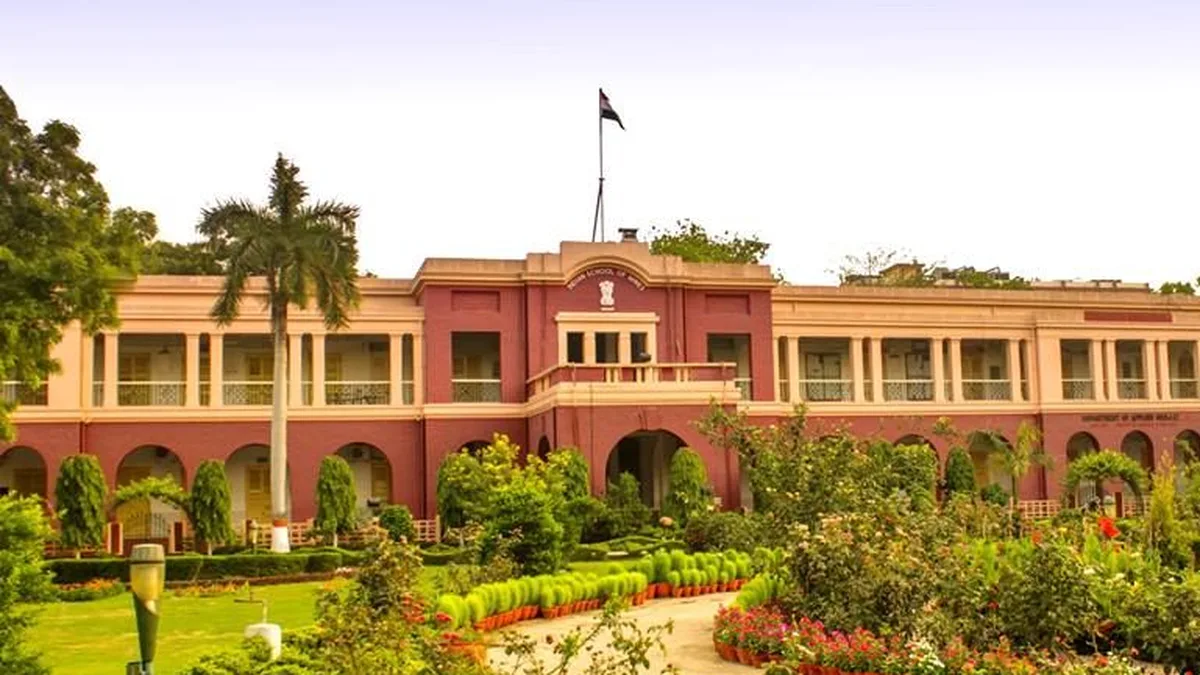
Some bacteria can pump an antibiotic out of the cell almost as soon as the drug gets in. If too little of it stays inside, the treatment fails. A team at the Indian Institute of Technology (ISM) Dhanbad has set out to find molecules that can block those pumps, and the Gates Foundation has given it about Rs 1.38 crore to do the work.
The project is led by Professor Niladri Patra of the Department of Chemistry and Chemical Biology. His team will screen around 10 lakh molecules using molecular dynamics simulations, artificial intelligence and machine learning. The candidates that look most promising in the computer screening will then be tested in the laboratory, with support from a Bengaluru-based company.
The grant will also pay for PhD and postdoctoral researchers, computing resources and the chemicals the work needs.
Why this bacterium worries doctors
Klebsiella pneumoniae can cause pneumonia, urinary tract infections, bloodstream infections and wound infections. Some strains are already resistant to several important antibiotics. In hospitals, that is a particular worry for newborns, older people, cancer patients and people who are critically ill.
Patra also pointed to a second problem: bacteria in Indian hospitals that produce an enzyme called New Delhi metallo-beta-lactamase, or NDM, which can switch off certain antibiotics. When the usual drugs fail, patients may need injected alternatives, and longer stays add to the cost for families.
How the search will work
Bacteria resist antibiotics in several ways. Some change the part of a protein that a drug would normally act on. Others use efflux pumps to push the drug back out of the cell. Patra’s team is focused on the pumps. The question it wants to answer is whether a molecule can interfere with a pump and let enough of the antibiotic stay inside the bacterium to do its job.
The Gates Foundation’s listing describes the aim as developing and validating an open-access computer model that speeds up new antibiotics for people most affected by antimicrobial resistance. It dates the grant to October 2026, lists $144,242 committed, and gives the project 24 months.
A long road from computer to clinic
The first test for the Dhanbad team is simpler than a cure. It has to find molecules worth testing and see whether they behave in the laboratory the way the computer models predict. Only a candidate that clears that step would move towards further safety and effectiveness studies, including animal studies and clinical trials. That process can take years.
Patra also spoke about the wider problem. Taking antibiotics without medical advice, or using them for viral illnesses, adds to unnecessary use. India’s National Action Plan on antimicrobial resistance brings several ministries into the response, and putting it into practice includes curbing over-the-counter sales of prescription antibiotics, improving infection control in hospitals and raising public awareness.
For students, the grant also funds PhD and postdoctoral places in computational chemistry and drug discovery at the institute. Our guide to how to choose a university in India explains what to check in a research lab before applying.
More detail on the grant is available on the Gates Foundation’s grant listing.
Frequently asked questions
What is the IIT Dhanbad project trying to do?
The team wants to find molecules that block the efflux pumps Klebsiella pneumoniae uses to push antibiotics out of its cells, so the drugs stay inside long enough to work.
How much is the Gates Foundation grant?
ETV Bharat reports the grant at about Rs 1.38 crore. The Gates Foundation’s own listing shows $144,242 committed in October 2026, for a 24-month project.
When could this lead to a new treatment?
Not soon. The team must first find candidates in computer screening and confirm them in the laboratory. Any candidate that moves towards patients would then need animal studies and clinical trials, a process that takes years.
What is Klebsiella pneumoniae?
It is a bacterium that can cause pneumonia, urinary tract infections, bloodstream infections and wound infections. Some strains are resistant to several important antibiotics, which makes it a serious concern in hospitals.
Frequently asked questions
What is the IIT Dhanbad project trying to do?
The team wants to find molecules that block the efflux pumps Klebsiella pneumoniae uses to push antibiotics out of its cells, so the drugs stay inside long enough to work.
How much is the Gates Foundation grant?
ETV Bharat reports the grant at about Rs 1.38 crore. The Gates Foundation's own listing shows $144,242 committed in October 2026, for a 24-month project.
When could this lead to a new treatment?
Not soon. The team must first find candidates in computer screening and confirm them in the laboratory. Any candidate that moves towards patients would then need animal studies and clinical trials, a process that takes years.
What is Klebsiella pneumoniae?
It is a bacterium that can cause pneumonia, urinary tract infections, bloodstream infections and wound infections. Some strains are resistant to several important antibiotics, which makes it a serious concern in hospitals.
Sources: ETV Bharat, Gates Foundation