IIT BHU plans four-year BTech in Physical AI from 2027 via JEE Advanced
By TUF News Desk · Published 20 October 2026 · 4 min read
Fact-checked against 2+ independent sources · Editorial policy
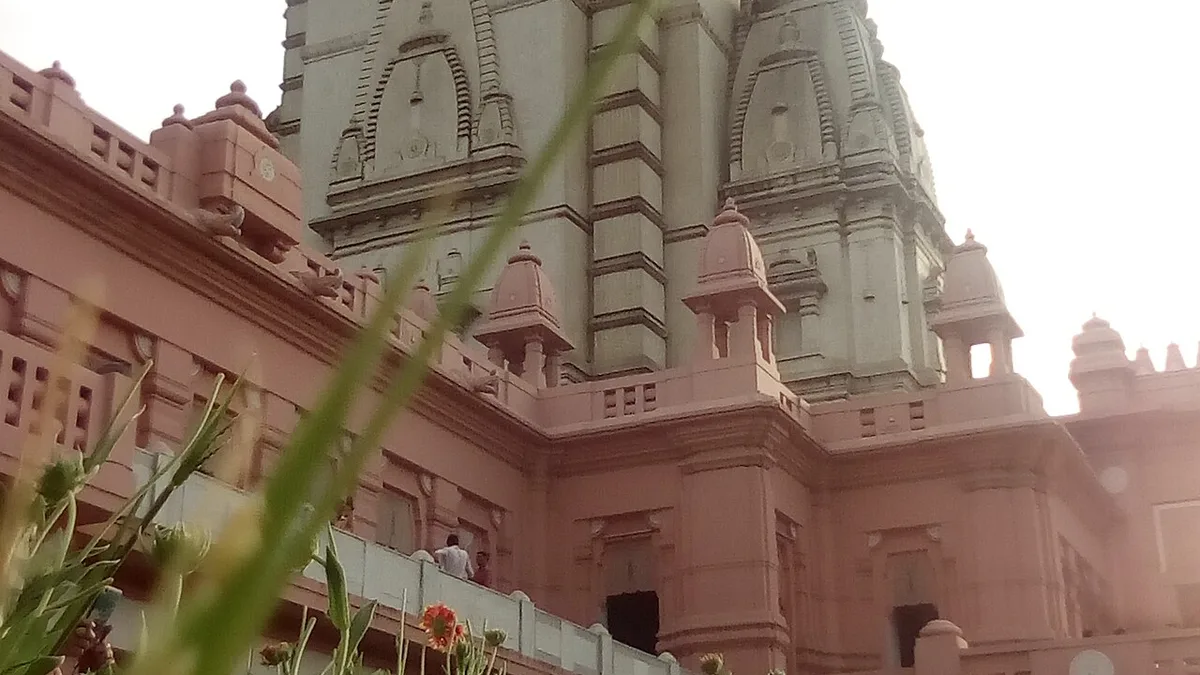
JEE Advanced aspirants who spend their days solving physics problems may soon solve them on hardware. IIT (BHU) Varanasi is creating a School of Physical AI and Autonomous Systems, and a media report published on October 18 says the institute plans a four-year BTech in Physical AI and Autonomous Systems for the 2027 session, with admission expected through JEE Advanced.
Start with what is certain. The school itself is not a rumour: the institute announced it on July 15, 2026, and a coordination committee followed on July 18, according to announcements on the institute’s official website reported by Education Times. The institute’s own alumni newsletter from April this year also describes the proposed School of Physical AI as an initiative that received backing from academicians and alumni leaders, with meetings at the University of California San Diego on interdisciplinary research in AI, robotics, agriculture and medical technologies.
The BTech programme is the newer, still-reported part. According to the October 18 report, the four-year course would begin in the 2027 session, admit students through JEE Advanced, and teach through project-based learning in which students build machines as coursework, alongside industrial exposure. IIT (BHU) has released no official admission document yet, so seat intake, eligibility, fees and the final curriculum remain unknown. Read the 2027 plan as a report, not a confirmation.
What “Physical AI” actually means
It is the difference between AI that answers and AI that moves. Chatbots, image generators and voice assistants process information. Physical AI connects AI models to machines that act in the real world: sensors, cameras, motors and robotic systems. A chatbot can describe how to lift an object; a robot running Physical AI can recognise it, work out how to grip it and move it.
The loop is simple to picture. Sensors gather information about the surroundings, the AI model interprets that information and decides what to do, and the machine acts through its motors or other mechanical parts, sometimes learning from feedback. This is the technology behind robots, self-driving cars, industrial automation and any system that has to deal with conditions changing mid-task.
Why a whole school, not just a course
IIT (BHU) describes the school as an interdisciplinary environment for developing intelligent machines, robotics and autonomous systems. The stated aim is to push AI beyond software into technologies that can perceive, reason, learn and interact with their surroundings. That work pulls together computer science, electronics, mechanical engineering, control systems and robotics, which is exactly why it gets a school rather than a department elective.
Read more about the institute on its IIT (BHU) profile.
What this means for 2027 aspirants
If the report holds, the new BTech would be one more branch competing for JEE Advanced ranks at IIT (BHU), alongside its 19 existing BTech specialisations. Admission to every BTech at the institute runs through JEE Advanced, with details confirmed on the official JEE Advanced website when the time comes.
Two practical moves are safe right now. Keep your JEE Advanced preparation on the standard syllabus, and keep your documents in order. The admission documents checklist covers the scans and certificates that trip people up. If you are weighing a brand-new branch against established ones, how to choose a university in India is worth a read before you lock preferences in JoSAA.
One honest note: a degree in Physical AI does not guarantee a career in it. Education Times lists likely roles such as robotics engineer, AI engineer, automation engineer, computer vision engineer and research scientist, while adding that some research jobs need a postgraduate degree and that fundamentals, problem-solving and hands-on experience matter more than the degree name.
Frequently asked questions
Is IIT BHU’s School of Physical AI confirmed?
Yes. The institute announced the school on July 15, 2026, formed a coordination committee on July 18, and its April 2026 alumni newsletter describes the proposed school as backed by academicians and alumni leaders.
Will the BTech in Physical AI start in the 2027 session?
That comes from an October 18 media report, not an official admission document. The report says the four-year programme is planned for 2027 with admission through JEE Advanced; IIT (BHU) has not confirmed this yet.
How would admission to the BTech work?
The report points to JEE Advanced, which is also the route for all existing BTech programmes at IIT (BHU). The official brochure, when released, will settle seats, eligibility and fees.
What careers follow from Physical AI?
Likely roles include robotics engineer, AI engineer, automation engineer, computer vision engineer and research scientist. Research-heavy roles often need a postgraduate degree.
Frequently asked questions
Is IIT BHU's School of Physical AI confirmed?
Yes. The institute announced the school on July 15, 2026, formed a coordination committee on July 18, and its April 2026 alumni newsletter describes the proposed school as backed by academicians and alumni leaders.
Will the BTech in Physical AI start in the 2027 session?
That comes from an October 18 media report, not an official admission document. The report says the four-year programme is planned for 2027 with admission through JEE Advanced; IIT (BHU) has not confirmed this yet.
How would admission to the BTech work?
The report points to JEE Advanced, which is also the route for all existing BTech programmes at IIT (BHU). The official brochure, when released, will settle seats, eligibility and fees.
What careers follow from Physical AI?
Likely roles include robotics engineer, AI engineer, automation engineer, computer vision engineer and research scientist. Research-heavy roles often need a postgraduate degree.
Sources: Education Times, IIT (BHU) alumni newsletter (April 2026)