IITs to add 6,000 seats in robotics, physical AI and space tech from 2027
By TUF News Desk · Published 24 November 2026 · 4 min read
Fact-checked against 2+ independent sources · Editorial policy
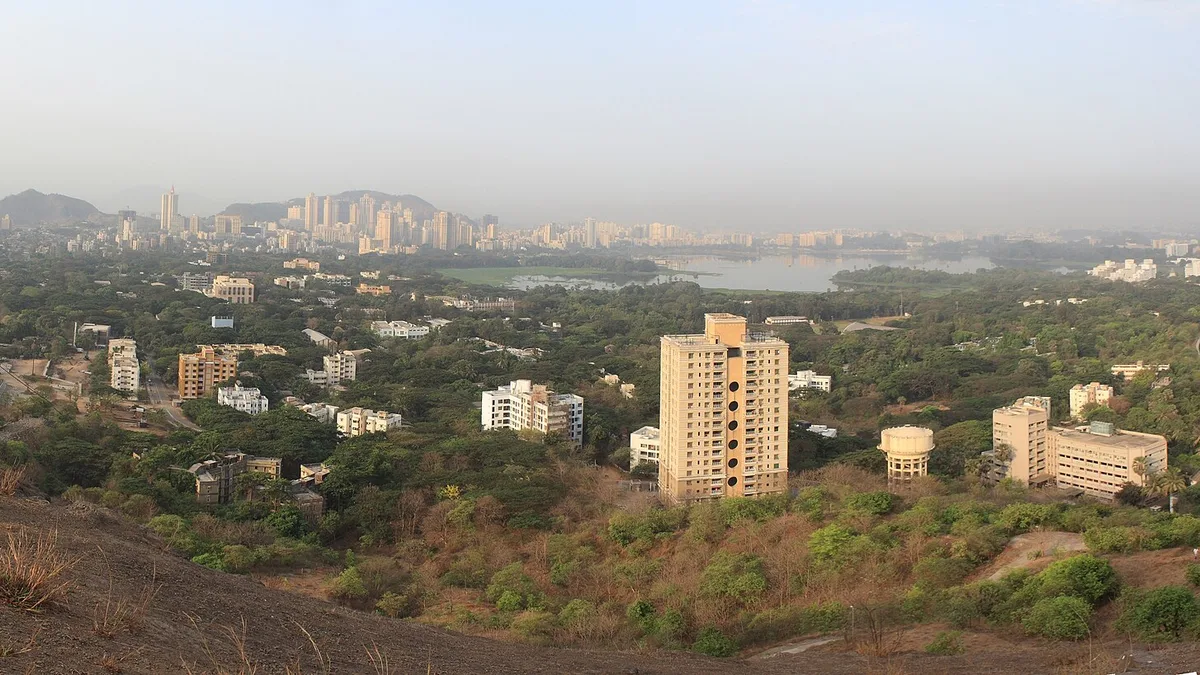
IITs will add 6,000 seats in robotics, physical AI and space technology from the 2027 academic session. The Bhupat and Jyoti Mehta Family Foundation will support the new programmes across several IITs, and the first batch of students is expected to start in 2027. Robotics and physical AI account for 5,000 of the seats, and space engineering and technology for the other 1,000.
| Programme | BTech | Master | PhD | Total |
|---|---|---|---|---|
| Robotics and physical AI | 2,500 | 1,200 | 1,300 | 5,000 |
| Space engineering and technology | 500 | 300 | 200 | 1,000 |
| Total | 3,000 | 1,500 | 1,500 | 6,000 |
What the robotics courses will cover
The robotics and physical AI programmes bring mechanical and electrical engineering together with software, machine learning, computer vision, sensing and control systems. Students will work on hardware as well as software. Research areas include foundation models, digital twins, humanoid and legged robots, swarm robotics and soft robotics. The work is aimed at real settings: healthcare, defence, agriculture and industrial manufacturing.
IIT Jammu is separately planning its own School of Robotics and Physical AI, after an industry-academia interaction on November 15. That plan is independent of this expansion.
A paid semester in industry
Students will take up industry-linked capstone projects and a paid semester-long industry residency at one of the participating IITs. The residency puts students inside a company, working on live engineering problems rather than classroom exercises alone.
The courses will also deal with conditions that shape engineering in India: high temperatures, dust, limited power and tight budgets. The planned examples include automation for farms, robots for rural healthcare and low-cost solutions for small manufacturers. Students will also study what automation does to jobs and income gaps.
The space school
One of the participating IITs will host a School of Space Science and Technology. Its focus areas are satellite navigation, space robotics and human spaceflight. The announcement named neither the host institute nor the IITs that will run the new programmes.
What aspirants should do now
Eligibility, application dates, fees and entrance exams are still to be announced. BTech aspirants should keep track of JEE updates through the official JEE Main portal. Those aiming for a master or a PhD should watch the admission pages of individual IITs.
No cutoffs or fee details exist yet, and any institute-wise list will only be reliable once an IIT or the foundation publishes it. While you wait, our guide to choosing a university in India covers what to weigh, and the admission documents checklist is worth keeping ready.
The foundation behind the expansion
The Bhupat and Jyoti Mehta Family Foundation has worked with six IITs since 2019. It has helped set up eight schools and centres in data science and artificial intelligence, healthcare and biomedical engineering, and sustainability. Those programmes have taken in more than 4,000 students across BTech, MTech and PhD courses. You can read about the foundation on the Mehta Family Foundation page at IIT Kanpur.
The new expansion takes the partnership into robotics, physical AI and space technology. More than 120 faculty members are expected to support the new programmes.
Frequently asked questions
When will the new IIT robotics and space programmes start?
The first cohort is expected to begin in 2027. No exact start date or admission schedule has been announced yet.
How many seats will the new programmes have?
6,000 in all: 5,000 in robotics and physical AI and 1,000 in space engineering and technology. Half the seats, 3,000, are at BTech level, with 1,500 each at master and PhD level.
Which IITs will offer these programmes?
The announcement did not name them. The foundation has worked with six IITs since 2019, but the participating institutes for this expansion and the host of the space school have not been disclosed.
How can I apply for these seats?
Admission details are still awaited. BTech aspirants should follow JEE updates, and master and PhD aspirants should check individual IIT admission portals.
Sources: Times Now, CareerIndia