Delhi HC refuses extra DU seats, gives UGC 3 weeks to place FYUP students
By TUF News Desk · Published 25 November 2026 · 4 min read
Fact-checked against 2+ independent sources · Editorial policy
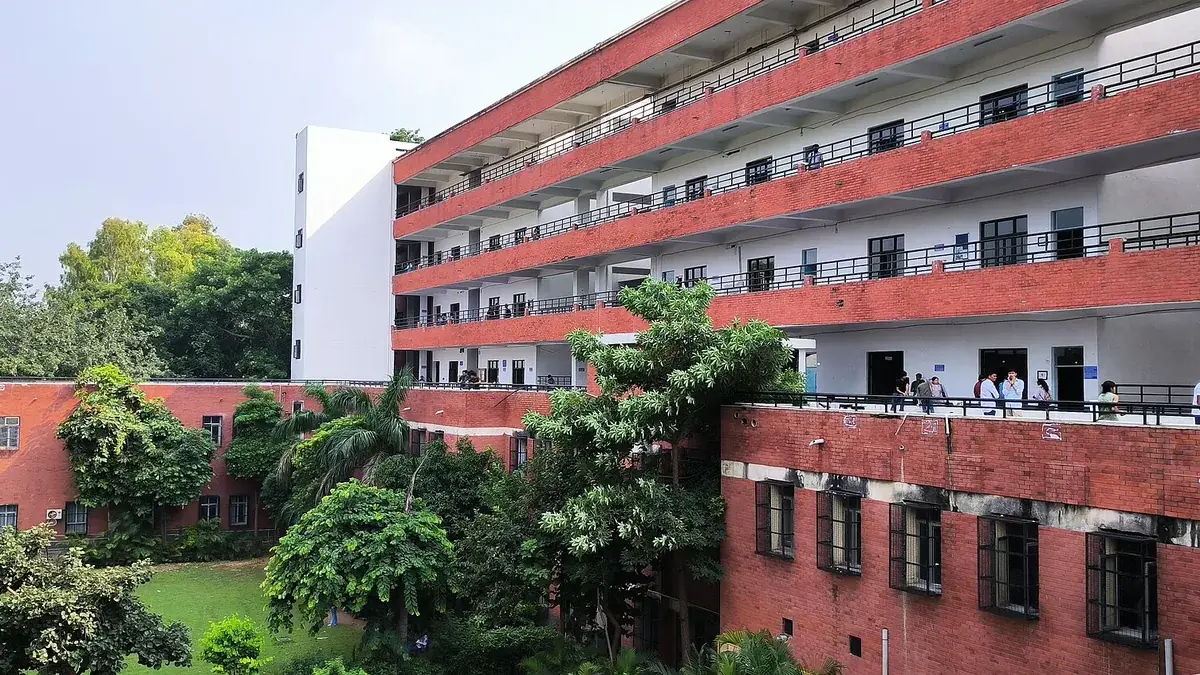
The Delhi High Court has refused to order Delhi University to create extra seats in its one-year masters programmes for its first four-year undergraduate batch. In an order passed on November 20, Justice Jasmeet Singh sent the petitions to the University Grants Commission instead, and told the regulator to decide within three weeks, by around December 11, whether the students can be placed in one-year masters seats elsewhere.
What the court decided
Eight petitions were before the court, from students who graduated as Delhi University’s first batch under the Four-Year Undergraduate Programme, introduced in 2022 under the National Education Policy. Many had chosen the four-year course expecting it to lead to a one-year masters rather than the usual two-year course.
Justice Singh said the court saw merit in that expectation, since the students had joined the four-year course under UGCF-2022 believing it would lead to a one-year masters. But ordering new seats was not something the court could do: it would mean weighing sanctioned intake, faculty, infrastructure and classroom space, and the court said it was not equipped to compare the curriculum, rigour and credits of a multidisciplinary major against an honours degree.
The court held that granting such relief “would fall beyond the permissible scope of judicial intervention.” The eight petitions now stand disposed of.
Why the students went to court
Delhi University introduced 46 one-year postgraduate programmes in 2026-27, alongside its two-year programmes. The two routes fill seats differently.
| Programme | Who it is for | How seats are filled |
|---|---|---|
| One-year masters | Four-year undergraduate graduates | Cumulative undergraduate grade plus priority order |
| Two-year masters | All graduates | CUET PG scores |
Under that order, honours graduates with research or entrepreneurship came first, and multidisciplinary majors came second. A major student with a higher CGPA could therefore be ranked after an honours student with a lower score. The students called the criteria discriminatory and asked the court to set them aside.
Registrar Vikas Gupta said in an affidavit on November 3 that the extra seats had already pushed the university to its maximum capacity in accommodation, infrastructure and teaching staff.
What the UGC has to do now
The court directed the UGC to treat the eight petitions as representations and decide within three weeks. The regulator must check whether one-year masters seats are available at other universities and colleges and, where feasible, try to place the petitioners there.
The order forces neither Delhi University to add seats nor any other university to take the students, only a process with a mid-December deadline.
Earlier in November, the court had also asked the University of Delhi to consider admitting four-year graduates directly into the second year of a two-year postgraduate course. The university has told the court it is considering an entrance test for the one-year programme from the 2027-28 session, which would change the rules for the next batch.
What this means for the students
For now, the order brings no seat and no guarantee, only a deadline: the UGC has until around December 11 to say whether places can be found elsewhere.
Students tracking the case can follow updates on the official University of Delhi website and the UGC website. Our guide on how to choose a university in India covers what to weigh beyond the campus.
Frequently asked questions
What did the Delhi High Court decide on November 20?
It refused to order extra seats and sent the eight petitions to the UGC, which must decide within three weeks whether the students can be placed elsewhere.
Why did the court not order more seats?
Seat creation involves sanctioned intake, faculty, infrastructure and space. The court said those decisions belong to academic and regulatory bodies, not the courts.
What has the UGC been asked to do?
Treat the petitions as representations, look for one-year masters seats at other universities and colleges, and try to place the petitioners where feasible, within three weeks.
How does Delhi University fill its one-year masters seats?
Through the cumulative undergraduate grade plus a priority order. Honours graduates come first; multidisciplinary majors come second. The two-year programme admits through CUET PG scores.
Frequently asked questions
What did the Delhi High Court decide on November 20?
It refused to direct Delhi University to create extra seats in its one-year masters programmes. It sent the eight petitions to the UGC, which must decide within three weeks whether the students can be placed in one-year masters seats elsewhere.
Why did the court not order more seats?
Creating seats would mean weighing sanctioned intake, faculty, infrastructure and space. The court said such decisions belong to academic and regulatory bodies, not the courts.
What has the UGC been asked to do?
Treat the petitions as representations, check for one-year masters seats at other universities and colleges, and try to place the petitioners where feasible, within three weeks of November 20.
How does Delhi University fill its one-year masters seats?
Through the cumulative undergraduate grade plus a university priority order. Honours graduates come first; students with a multidisciplinary degree and a major in the subject come second. The two-year masters programme admits through CUET PG scores.
Sources: The Indian Express, Education Post, Education Times