DU report: ST students just 3.8% of regular UG seats, OBC below 27% at every level
By TUF News Desk · Published 13 November 2026 · 4 min read
Fact-checked against 2+ independent sources · Editorial policy
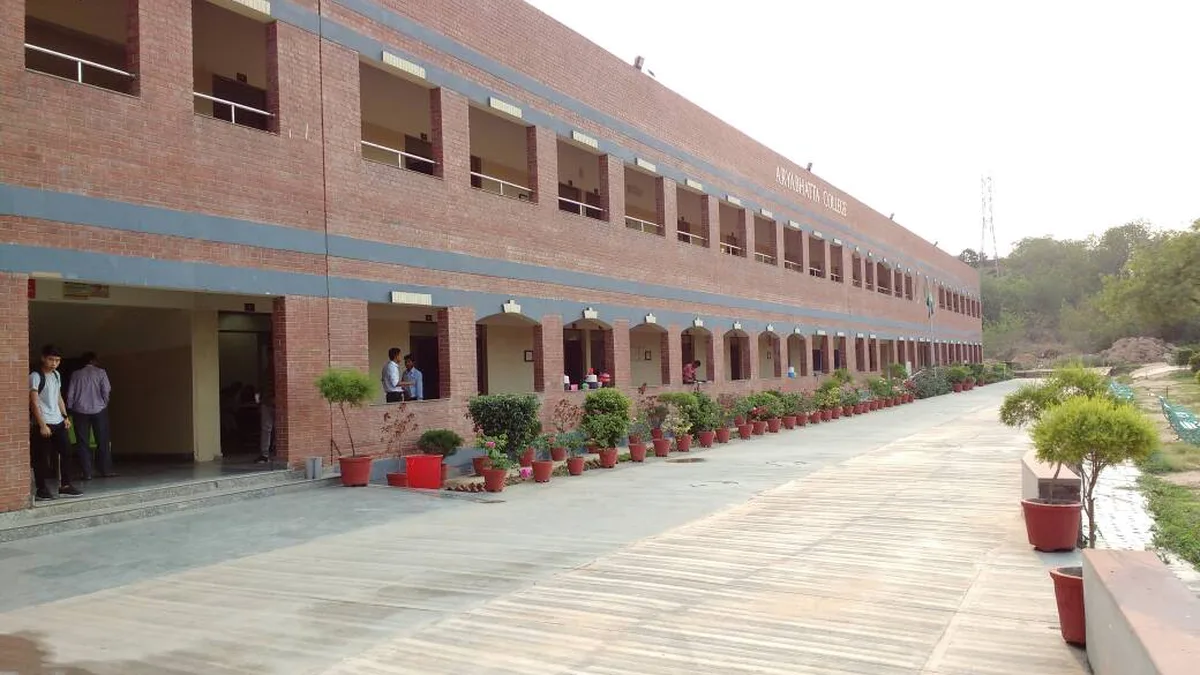
Scheduled Tribe students make up 3.8 per cent of regular undergraduate enrolment at the University of Delhi, about half the 7.5 per cent reservation benchmark. The figure comes from the university’s 103rd annual report for 2025-26, which the Executive Council passed at its meeting on Thursday, November 12.
The gap is widest for ST students. Their share stands at 1.8 per cent of undergraduate enrolment across all modes of study, rising to 3.8 per cent among regular students. At postgraduate level, ST students account for 4.3 per cent across modes and 5.6 per cent in regular programmes. Among PhD scholars, the figure is 6 per cent.
SC students fall short of the 15 per cent benchmark in several categories. They account for 15.3 per cent of undergraduate enrolment across all modes, but the share drops to 13.9 per cent in regular undergraduate programmes. At postgraduate level, SC representation is 12.3 per cent across modes and 13 per cent among regular students. Among research scholars, it is 14 per cent.
OBC enrolment stays below the 27 per cent benchmark at every level. OBC students account for 15.5 per cent of total undergraduate enrolment across modes and 23.5 per cent in regular programmes. At postgraduate level, their share is 20.2 per cent across modes and 24.1 per cent in regular courses. Among PhD scholars, it stands at 24.6 per cent.
The loan row behind the report
The report was passed amid objections from elected members over the university’s growing dependence on loans from the Higher Education Financing Agency, or HEFA. In a dissent note submitted on November 12, elected Executive Council member Mithuraaj Dhusiya cited the university’s balance sheet as of March 31, 2026.
DU had an outstanding HEFA loan liability of about Rs 161 crore on that date. The amount included an opening balance of Rs 46.93 crore, fresh loan disbursements of Rs 109.63 crore and accrued interest of Rs 4.80 crore during the financial year.
The dissent note said the reliance on debt financing “is not merely a temporary liquidity measure, but a structural trend that fundamentally threatens DU’s public character”. Elected members warned that mounting debt could push the university from an autonomous, state-funded institution towards commercialisation and eventual privatisation.
Under the repayment structure, the Ministry of Education bears 90 per cent of the principal repayment, amounting to Rs 28.35 crore for this fiscal year. The university must meet the remaining 10 per cent, Rs 3.15 crore, from its internal receipts. Teachers have said this arrangement could increase the burden on the university’s own resources and push it towards higher student fees, more self-financing courses and commercial use of university land, while infrastructure gets less attention. They also questioned why the university holds unspent government grants while borrowing for its capital needs.
A surplus, and questions that remain
On the financial side, the report records a turnaround. DU moved from a deficit of Rs 65.96 crore in 2024-25 to a surplus of Rs 82.44 crore in 2025-26. The improved position has done little to settle the argument among teachers over borrowing, since the surplus sits alongside a loan book that keeps growing.
For applicants, the enrolment figures are the part that matters most. Reserved-category seats at DU are filled through CUET, and the report shows that the seats set aside for SC, ST and OBC students are not filling in the proportions the quotas allow. Students applying for 2027-28 should still treat the quotas as they stand, since the report changes no rule, but the numbers show how far actual enrolment sits from the benchmarks. Our guide to choosing a university in India sets out what to compare when weighing programmes, and our scholarships guide lists the financial support reserved-category students can apply for.
The full report is published on the official DU annual reports page.
Frequently asked questions
What share of DU’s regular undergraduate seats do ST students hold?
3.8 per cent, against the 7.5 per cent reservation benchmark, according to DU’s 103rd annual report for 2025-26.
How much does Delhi University owe in HEFA loans?
About Rs 161 crore as of March 31, 2026, made up of an opening balance of Rs 46.93 crore, fresh loans of Rs 109.63 crore and interest of Rs 4.80 crore.
Who raised the objection to DU’s borrowing?
Mithuraaj Dhusiya, an elected member of the Executive Council, submitted a dissent note on November 12, 2026.
Did DU report a surplus in 2025-26?
Yes. The report records a surplus of Rs 82.44 crore, after a deficit of Rs 65.96 crore in 2024-25.
Frequently asked questions
What share of DU's regular undergraduate seats do ST students hold?
3.8 per cent, against the 7.5 per cent reservation benchmark, according to DU's 103rd annual report for 2025-26.
How much does Delhi University owe in HEFA loans?
About Rs 161 crore as of March 31, 2026, made up of an opening balance of Rs 46.93 crore, fresh loans of Rs 109.63 crore and interest of Rs 4.80 crore.
Who raised the objection to DU's borrowing?
Mithuraaj Dhusiya, an elected member of the Executive Council, submitted a dissent note on November 12, 2026.
Did DU report a surplus in 2025-26?
Yes. The report records a surplus of Rs 82.44 crore, after a deficit of Rs 65.96 crore in 2024-25.
Sources: The New Indian Express, The Tribune, Careers360, The Daily Pioneer