BITS Pilani revamps UG curriculum for AI era: 60 hours of wellbeing, Rs 50 crore labs
By TUF News Desk · Published 26 October 2026 · 3 min read
Fact-checked against 2+ independent sources · Editorial policy
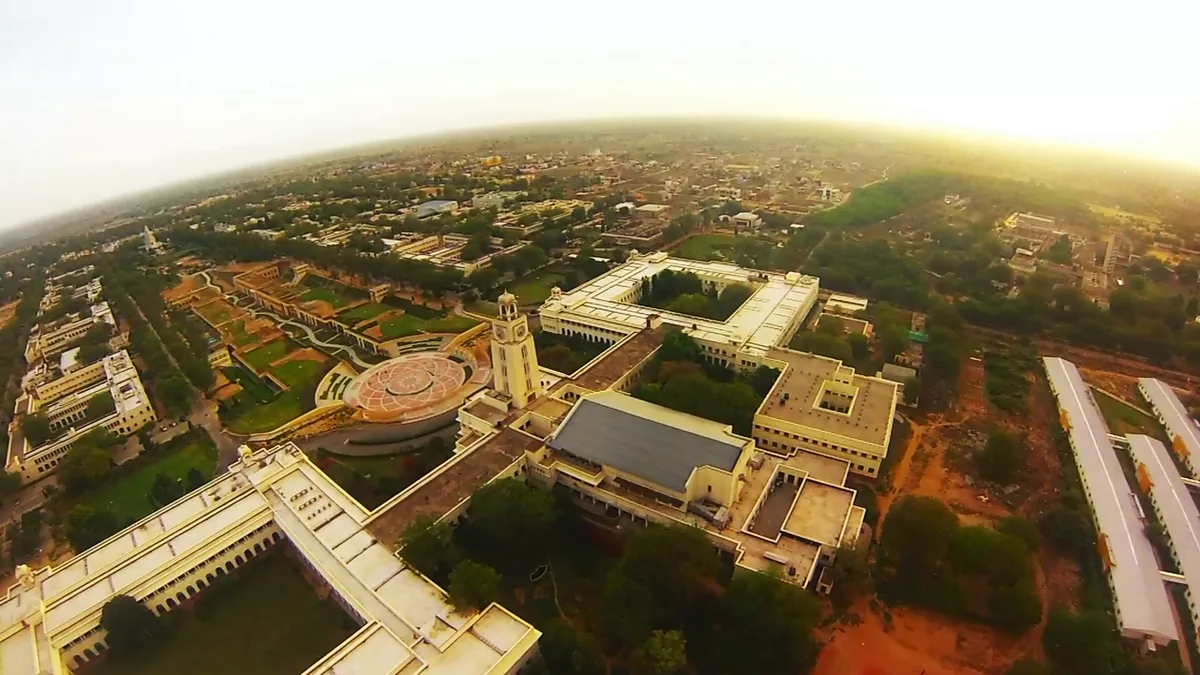
About 60 hours of structured fitness, creativity and wellbeing work will now count toward a Birla Institute of Technology and Science, Pilani undergraduate degree. That requirement is one part of a redesigned curriculum that the institute says is built for a time when artificial intelligence has changed how students find and use knowledge.
Group vice chancellor V Ramgopal Rao, a former director of IIT Delhi, described the change as a response to two pressures at once: what AI does to classroom learning, and growing concern about student mental health. His argument, in plain terms, is that easy access to information on its own does not teach a student to build something. The new curriculum tries to close that gap by putting hands-on work, research and industry exposure inside the degree instead of leaving them to optional extras.
What changes in the classroom
The revised curriculum keeps a strong base in science, engineering and computing, and pairs it with exposure to humanities and arts. Students also get room to work on design thinking, entrepreneurship and real-world problems, and to pick up electives outside their main discipline, including newer fields such as artificial intelligence, data science, software construction, quantum information and computation, astronomy and materials chemistry.
Research and industry work become part of the degree
Research is no longer a side activity for a small group of keen students. It runs through the Undergraduate Research Opportunities Programme, known as UROP, and its more advanced versions, Advanced UROP and Super UROP. Students take up societal problems, with funding to develop and test solutions as part of their coursework.
Industry exposure follows the same pattern. Practice School brings in industry mentorship, and entrepreneurship pathways are meant to help students carry an idea from a classroom project toward a venture.
Over Rs 50 crore for laboratories
The curriculum change comes with money spent on the rooms where students will do that work. BITS says it has spent over Rs 50 crore this year upgrading undergraduate laboratories across its Pilani, Goa and Hyderabad campuses, to keep pace with technological advances.
A curriculum that promises hands-on learning needs labs to match, and the spending is spread across all three campuses rather than concentrated at Pilani alone.
Wellbeing counts, without credits
The most unusual part of the redesign is how it treats wellbeing. Under a Points of Experience framework, students complete 30 points, equal to about 60 hours of activity, covering fitness, creative pursuits, wellbeing workshops, social conduct and community engagement.
These are formal curriculum requirements, but they are recognised through experience points rather than academic credits. That puts wellbeing, social conduct and community work on the timetable without turning them into another graded subject.
For students comparing institutes, our guide on how to choose a university in India sets out the questions worth asking before picking a campus on curriculum alone. Programme and admission details are on the official BITS admissions portal.
Frequently asked questions
What has BITS Pilani changed in its undergraduate curriculum?
It has redesigned the undergraduate curriculum with more flexibility, research and project work built into the degree, interdisciplinary electives, and a formal wellbeing requirement based on experience points rather than credits.
How many wellbeing hours are part of the new BITS Pilani curriculum?
About 60 hours, counted as 30 Points of Experience across fitness, creative work, wellbeing workshops, social conduct and community engagement.
What research opportunities are built into the new curriculum?
Undergraduate research through UROP, Advanced UROP and Super UROP, with funding for students to develop and test solutions to societal problems within the curriculum.
How much has BITS Pilani spent on upgrading undergraduate laboratories?
Over Rs 50 crore this year, across its Pilani, Goa and Hyderabad campuses.
Sources: The Indian Express, The Times of India, Careers360