APSCHE plans 336 new PG programmes across 28 Andhra universities
By TUF News Desk · Published 6 November 2026 · 4 min read
Fact-checked against 2+ independent sources · Editorial policy
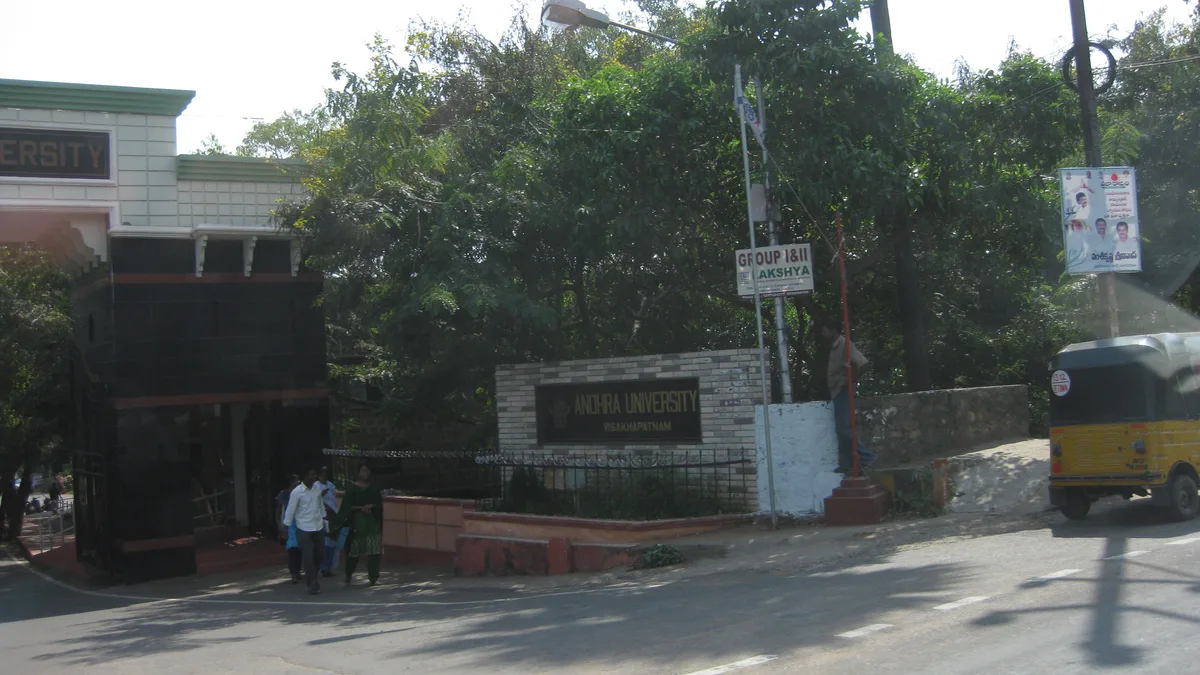
The Andhra Pradesh State Council of Higher Education (APSCHE) has proposed a comprehensive restructuring of postgraduate courses at 28 state universities. The plan replaces discipline-bound, exam-heavy programmes with courses built around research, industry work and regional needs.
The council’s chairman in charge, S. Vijaya Bhaskara Rao, told The Hindu on November 6 that the plan covers about 336 indicative postgraduate programmes, with 12 proposed for each university. The programmes fall under four themes: employability, entrepreneurship, regional needs and globally futuristic disciplines. The plan follows the National Education Policy (NEP) 2020 and University Grants Commission guidelines.
A common credit framework
The proposal sets a common credit framework for all of them. Two-year postgraduate programmes will carry 80 to 88 credits. The curriculum will mix core disciplinary subjects with specialisation, interdisciplinary electives, research methodology, academic writing, artificial intelligence, data analytics and digital tools. Internships, field immersion, industry projects, dissertations and capstone projects will become part of the course.
The framework also builds in flexible exits and entries. Students can leave after the first year with a postgraduate diploma once they complete 40 credits. Graduates of four-year undergraduate courses will have a one-year postgraduate option, and five-year integrated UG-PG programmes are part of the design. Students may also pursue two postgraduate programmes at the same time, subject to UGC and university regulations.
Different courses for different regions
Rather than giving every university the same list, the council wants each campus to build on what its region needs. Andhra University would focus on the blue economy and maritime logistics. Acharya Nagarjuna University would take up quantum technologies and public policy. Sri Krishnadevaraya University would work on dryland agriculture and renewable energy, while Rayalaseema University would concentrate on water security and climate adaptation.
Technical universities would concentrate on semiconductors, green hydrogen, electric vehicles, drones and advanced computing. Agricultural, fisheries and health universities would develop specialised programmes in their own sectors. The plan also proposes 12 state-level thematic clusters and 10 Centres of Excellence, run on a hub-and-spoke model that brings universities, industries and research institutions together.
What happens next
The rollout runs on two tracks. During 2027-28, existing postgraduate programmes will be redesigned with the common credit framework, AI and data tools, internships and capstone projects. New programmes will then be introduced in phases from the academic year 2028-29, beginning with courses aimed at immediate employment, followed by region-specific and globally competitive programmes.
APSCHE will set up a state-level expert committee, 11 subject expert committees and reform cells in each university. An advisory framework will follow by July 2027, after consultations with stakeholders. Universities will still need statutory approvals before they can change curricula or launch new programmes. The council also plans shared facilities, faculty development and industry partnerships to deal with shortages in faculty, infrastructure and funding.
For students weighing postgraduate options in Andhra Pradesh, the courses on offer, the way they are taught and the exit options after the first year are all set to change within two years. Our guide to choosing a university in India sets out what to compare when weighing programmes, and the official APSCHE website is the place to watch for the advisory framework once it is published.
Frequently asked questions
How many new PG programmes is APSCHE proposing?
About 336 indicative programmes, with 12 proposed for each of the 28 state universities.
When will the new PG courses start?
Existing programmes will be redesigned during 2027-28. New programmes will arrive in phases from the academic year 2028-29, starting with courses aimed at immediate employment.
What is the common credit framework for PG courses?
Two-year postgraduate programmes will carry 80 to 88 credits. Students can exit after the first year with a postgraduate diploma once they complete 40 credits.
Will students be able to pursue two PG programmes at once?
Yes, the plan allows it, subject to UGC and university regulations.
Sources: The Hindu, Elets digitalLEARNING