BHU Entrance Exam 2026 – Arts Students के लिए तैयारी के Best Tips और Strategy

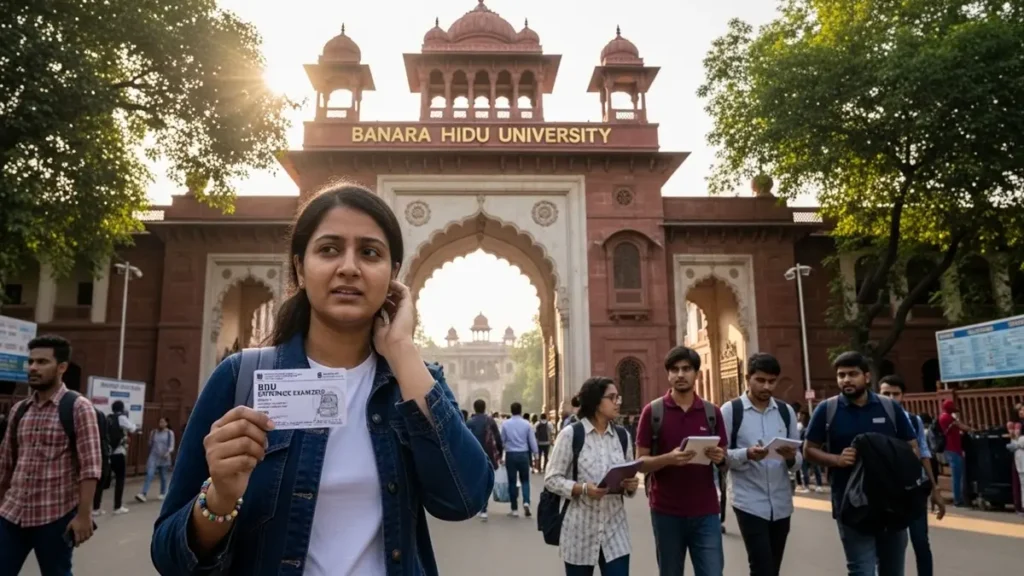
Banaras Hindu University (BHU) में Arts के लिए admission लेना हर student का सपना होता है। लेकिन BHU Undergraduate Entrance Test (UET) में competition बहुत ज्यादा है। हर साल 50,000 से ज्यादा students apply करते हैं लेकिन सिर्फ 2,000-3,000 seats ही available होती हैं। ऐसे में सही strategy के बिना selection मुश्किल है।
इस साल CUET के साथ BHU ने अपना entrance pattern भी change किया है। अब कुछ courses में CUET score accept होता है और कुछ में BHU का अपना exam होता है। यह confusion बहुत students को हो रहा है। इस article में हम Arts students के लिए complete preparation strategy बताएंगे।
BHU Arts Entrance Exam का Pattern क्या है
BHU में BA के लिए दो तरह से admission होता है। पहला CUET के through और दूसरा BHU UET के through। आपको पहले यह decide करना होगा कि आप किस course में admission लेना चाहते हैं।
CUET Based Courses: BA Honours (English, Hindi, Sanskrit, History, Political Science, Economics, Sociology) में अब CUET score से admission होता है। इसमें आपको CUET में Domain Subject + General Test देना होता है।
BHU UET Based Courses: BA (Hons) Fine Arts, Music, Dance और कुछ special courses में अभी भी BHU का अपना entrance exam होता है। यह exam May-June में होता है।
Exam Pattern की पूरी जानकारी
CUET में Arts students के लिए pattern यह है: आपको 2 Domain Subjects (अपने stream के according) + 1 Language + General Test देना होता है। हर section में 50 questions होते हैं और time 45 minutes per section मिलता है।
BHU UET में 150 questions होते हैं – 50 General Knowledge, 50 Numerical Ability, 50 Mental Ability। Total time 2 hours मिलता है। Negative marking है – हर गलत answer पर 0.25 marks कटते हैं।
Class 12 Arts Students के लिए Subject-wise Preparation
History की तैयारी कैसे करें
History में NCERT Class 11-12 की books सबसे important हैं। BHU में questions directly NCERT से आते हैं। Ancient, Medieval और Modern तीनों parts equally important हैं।
Dates और events को याद करने के लिए timeline chart बनाएं। Important personalities और उनके contributions को note करें। Previous year papers solve करें – pattern समझ में आएगा।
Political Science में क्या पढ़ें
Political Science में theory के साथ current affairs भी important हैं। Indian Constitution, Fundamental Rights, DPSP को अच्छे से पढ़ें। International Relations और UNO के बारे में भी questions आते हैं।
Newspaper daily पढ़ें – खासकर editorial page। Government schemes और policies पर focus करें। Mock tests में current affairs section weak न रहे।
Economics की तैयारी
Economics में Microeconomics और Macroeconomics दोनों से questions आते हैं। Graphs और diagrams को समझें, रटें नहीं। Numerical problems practice करें।
Indian Economy के chapters important हैं – Budget, GDP, Inflation, Banking System। RBI और Finance Ministry की recent policies पढ़ें।
English Literature के लिए Tips
English में prose, poetry और drama तीनों से questions आते हैं। Authors और उनकी famous works याद रखें। Literary terms की definitions clear होनी चाहिए।
Comprehension passages practice करें। Grammar में tenses, voice, narration पर focus करें। Vocabulary improve करने के लिए daily 10 new words सीखें।
General Knowledge की तैयारी कैसे करें
GK में 40-50% questions current affairs से आते हैं। Last 6 months की important news cover करें। Sports, Awards, Books & Authors, Science & Technology सब important हैं।
Static GK के लिए Indian Geography, History, Polity पढ़ें। World Geography में countries, capitals, currencies याद करें। Important days और their significance note करें।
Daily GK apps use करें – Inshorts, GK Today, Current Affairs by Jagran Josh। Weekly current affairs PDF download करके revise करें।
Mental Ability और Reasoning की Practice
Mental Ability में questions logical reasoning, analytical ability और problem solving से आते हैं। RS Aggarwal की Verbal और Non-Verbal Reasoning book best है।
Series completion, coding-decoding, blood relations, direction sense – यह topics important हैं। Daily 20-30 questions practice करें। Speed और accuracy दोनों improve करें।
Time Management और Study Plan
अगर आपके पास 3-4 months हैं तो यह strategy follow करें:
Month 1: NCERT books complete करें। Notes बनाएं। Concepts clear करें। Weak topics identify करें।
Month 2: Previous year papers solve करें। Topic-wise practice करें। GK और current affairs daily पढ़ें। Mock tests शुरू करें।
Month 3: Full-length mock tests दें। Time management practice करें। Revision पर focus करें। Weak areas पर extra time दें।
Last Month: Quick revision। Formula sheets और short notes देखें। Confidence building। Exam day strategy plan करें।
Best Books और Study Material
NCERT Books: Class 11-12 की सभी Arts subjects की NCERT books compulsory हैं। यह base material है।
Reference Books: Lucent’s General Knowledge, Manorama Yearbook (current affairs के लिए), RS Aggarwal (reasoning के लिए)।
Online Resources: BYJU’S, Unacademy, Khan Academy पर free videos available हैं। YouTube channels – Study IQ, Adda247 helpful हैं।
Previous Year Papers: Last 5 years के BHU UET papers solve करें। Pattern और difficulty level समझ में आएगा।
Mock Tests क्यों जरूरी हैं
Mock tests से आपको real exam का feel मिलता है। Time management सीखते हैं। Weak topics identify होते हैं। Confidence बढ़ता है।
हर week कम से कम 2 full-length mock tests दें। Test देने के बाद analysis जरूर करें। Mistakes को note करें और दोबारा न करें।
Online platforms – Testbook, Oliveboard, Gradeup पर BHU specific mock tests available हैं। Free और paid दोनों options हैं।
Exam Day Strategy
Exam से एक दिन पहले heavy study न करें। Light revision करें। Early sleep लें। Exam center पहले से देख लें।
Exam hall में पहले easy questions solve करें। Difficult questions को skip करके बाद में attempt करें। Negative marking का ध्यान रखें – guess न करें।
Time distribution plan करें – हर section को fixed time दें। Last 10 minutes में OMR sheet carefully fill करें।
Common Mistakes जो Students करते हैं
सबसे बड़ी गलती यह है कि students NCERT को ignore करते हैं और directly coaching material पढ़ते हैं। BHU में 60-70% questions NCERT से ही आते हैं।
दूसरी गलती यह है कि current affairs को last month के लिए छोड़ देते हैं। Daily reading habit नहीं बनाते। Exam में 20-25 questions current affairs से होते हैं।
तीसरी गलती यह है कि mock tests नहीं देते या देते हैं लेकिन analysis नहीं करते। Mistakes repeat होती रहती हैं।
चौथी गलती यह है कि negative marking को seriously नहीं लेते। Random guessing करते हैं और marks कट जाते हैं।
Coaching जरूरी है या Self Study काफी है
BHU Arts entrance के लिए coaching compulsory नहीं है। अगर आप disciplined हैं और self-study कर सकते हैं तो coaching की जरूरत नहीं।
लेकिन अगर आपको guidance चाहिए, study material नहीं मिल रहा या motivation की problem है तो coaching join कर सकते हैं। Varanasi में कई coaching centers हैं – Career Launcher, TIME, local institutes।
Online coaching भी अच्छा option है – सस्ता है और flexible timing मिलती है। Unacademy, BYJU’S पर BHU specific courses available हैं।
Scholarship और Fee Structure
BHU में Arts की fees बहुत कम है – सालाना 3,000 से 5,000 के बीच। Hostel fees अलग से 15,000-20,000 सालाना है।
Merit-based scholarship भी मिलती है। Top 10% students को fee waiver मिलता है। SC/ST students के लिए government scholarship available है।
Financial problem है तो fee concession के लिए apply कर सकते हैं। University में student welfare schemes भी हैं।
Selection के बाद क्या करें
Selection होने के बाद document verification होता है। 10th, 12th marksheets, caste certificate (if applicable), domicile certificate ready रखें।
Hostel के लिए separately apply करना होता है। Girls hostel की demand ज्यादा है तो early apply करें। Mess और hostel fees advance में जमा करनी होती है।
Orientation program में जरूर participate करें। Seniors से connect करें। Library card बनवाएं। Campus explore करें।
Students के Common Questions
क्या 12th में कम marks होने पर BHU में admission मिल सकता है?
हां, BHU entrance में 12th marks नहीं देखे जाते। Entrance exam score ही matter करता है। लेकिन minimum 50% marks (SC/ST के लिए 45%) compulsory हैं।
BHU Arts entrance में कितने attempts मिलते हैं?
कोई limit नहीं है। जब तक आप eligible हैं तब तक attempt कर सकते हैं। लेकिन age limit है – general category के लिए 22 years, SC/ST के लिए 25 years।
Coaching के बिना selection possible है?
बिल्कुल possible है। हर साल कई students self-study से select होते हैं। NCERT + previous papers + mock tests काफी हैं।
BHU Arts में placement होती है?
Direct campus placement कम होती है लेकिन university में placement cell है। Teaching, civil services, banking – इन fields में opportunities हैं। Alumni network strong है।
जरूरी Official Links और Resources
| Resource | Official URL |
|---|---|
| BHU Official Website | https://www.bhu.ac.in |
| BHU UET Registration | https://bhuonline.in |
| CUET Official Website | https://cuet.samarth.ac.in |
| BHU Admission Notice | https://www.bhu.ac.in/admission |
| Previous Year Papers | https://www.bhu.ac.in/Site/Page/1/en/Previous-Question-Papers |